
We provide environmental consultancy for decisions about land, development and operating sites. The work is based on the question being decided, the evidence already available and any material gaps that need investigation.
Environmental Consultancy
Environmental advice based on the site, existing evidence and any investigation needed.
Environmental Consultancy enquiry
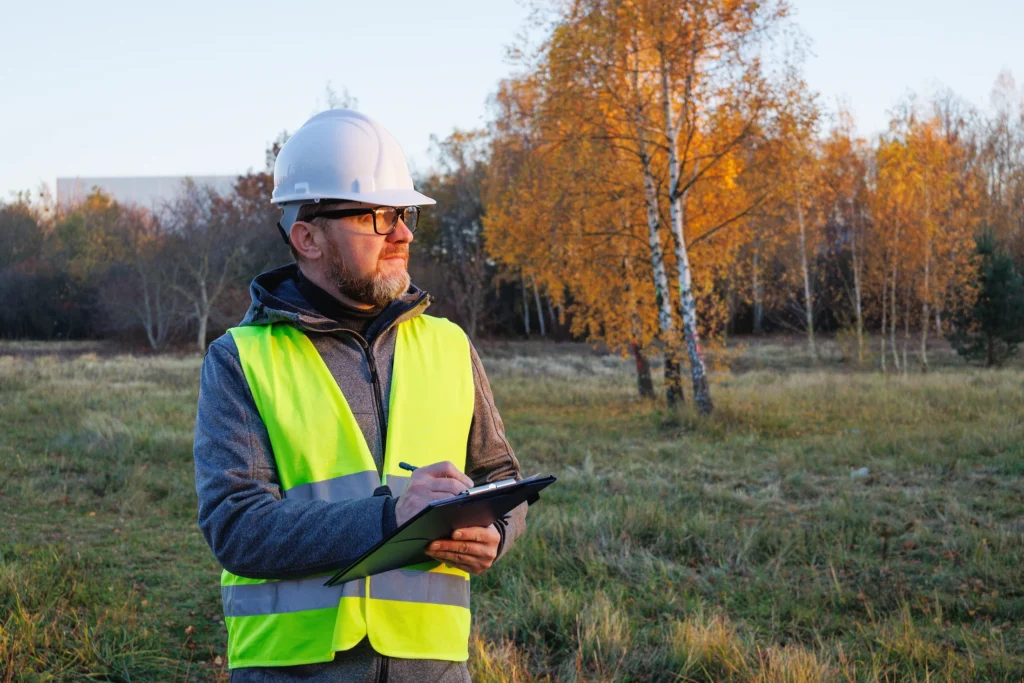
Development and operating sites
The environmental work needed depends on the proposal, existing activities and constraints at the location.
Existing reports
Earlier surveys, permits and investigation records can help identify what is already known about the site.
Environmental investigations and existing evidence
Land contamination, drainage, flood risk, ecology and operating-site compliance can all affect a project, but they do not call for the same investigation. Earlier reports, drawings and regulator correspondence are reviewed for what they still establish before new work is recommended.
The proposed use and the people or environmental receptors that could be affected determine the level of investigation. Work is directed at matters that could materially change the conclusions.
Discuss environmental consultancy
Complete the form and we will get back to you.
Specialist environmental findings
Several environmental subjects can influence the same design. Ground conditions may affect infiltration drainage, while ecology or flood risk may constrain the usable layout. Reading the findings together helps the design team deal with conflicts before they become fixed into the scheme.
Our advice separates conclusions, assumptions and remaining uncertainty. It supports the client, designer or regulator making the decision; it does not replace an approval that must be given by another body.
Environmental evidence and the site model
For contaminated land, the conceptual site model links possible sources with pathways and receptors. Historic information, geology and a walkover establish the initial picture, while unresolved uncertainties direct any later investigation. Missing information is treated as uncertainty rather than evidence that no risk exists.
Environmental Consultancy: common questions
Does every site need the same environmental surveys?
No. Site history, location, proposed use and the decision being made determine which evidence is relevant.
Can existing environmental reports be used?
They may help if their scope, age and assumptions remain suitable. Changes to the site or proposal can require updates.
How are uncertainties handled in environmental advice?
The advice distinguishes established evidence from assumptions and remaining gaps. Further work is recommended only where the unresolved point could affect the decision.
How do different environmental reports fit together?
Where several subjects affect the same proposal, the findings should be considered together so one recommendation does not conflict with another.
What is a conceptual site model?
For contaminated land, it links possible sources of pollution with the pathways by which it could reach people or the environment. Site history, geology and a walkover help establish the initial model.