UK environmental consultancy and site services

Environmental Compliance Consultants for Operating Sites

Environmental compliance consultants review the relationship between a site’s actual operations and the requirements that apply to them. The useful output is a clear account of the evidence checked, gaps found and actions needed. A review should distinguish an operational control problem from a missing record or a longer-term improvement proposal.

Environmental Compliance Consultants for Operating Sites enquiry

Begin with what the site does now

Processes, materials, storage, drainage, emissions and waste movements establish the operating picture. That picture can differ from an older permit application or procedure, especially after equipment changes, increased production or alterations to the premises.

A site visit and discussions with responsible staff can identify those differences. The aim is to connect written requirements to specific activities and locations. A procedure that describes a previous arrangement may need attention even when it remains neatly filed and regularly signed.

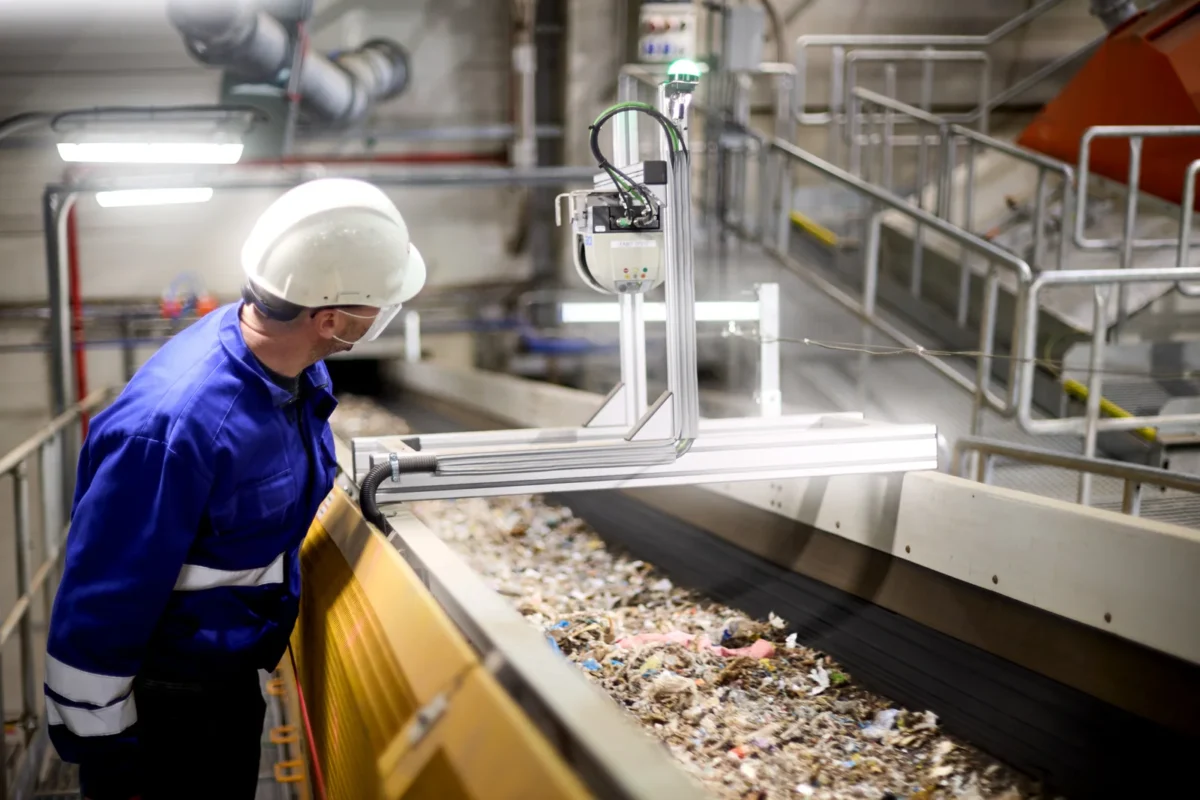
An operator inspecting materials moving along a waste processing line.

Existing permit conditions

The review compares the site's activities with its applicable conditions, records and reporting requirements.

Changes on site

New equipment or materials can affect environmental obligations and need assessment before operations change.

Build a usable obligations register

Permits, consents, relevant conditions and regulator correspondence provide important evidence. Their scope needs to be read against the activity, location and legal jurisdiction concerned. Similar-looking operations can be subject to different permissions or conditions. A useful register distinguishes applicable legal duties and permit conditions from voluntary standards, company procedures and improvement commitments. Each entry should identify its source and the activity or asset to which it relates, so a voluntary target is not mistaken for a statutory requirement.

The Environment Agency’s environmental permit guidance identifies activities that may need permissions in England. A compliance review then needs to examine the documents and requirements that actually apply to the site, rather than treating that general guidance as its complete obligations register.

Check controls and supporting records together

A containment inspection, monitoring record or waste transfer document is most useful when it can be connected to the relevant asset or activity. A completed form alone does not establish that the control it describes remains effective.

For example, a change to a drainage connection can alter the meaning of a historic plan. A new material can affect the information needed for waste classification. A changed production pattern can make an established monitoring or maintenance arrangement worth reviewing.

The evidence should show when the observation was made and which part of the operation it covers. Untested areas and unavailable records remain separate from confirmed findings, so an absence of evidence is not silently converted into a positive conclusion.

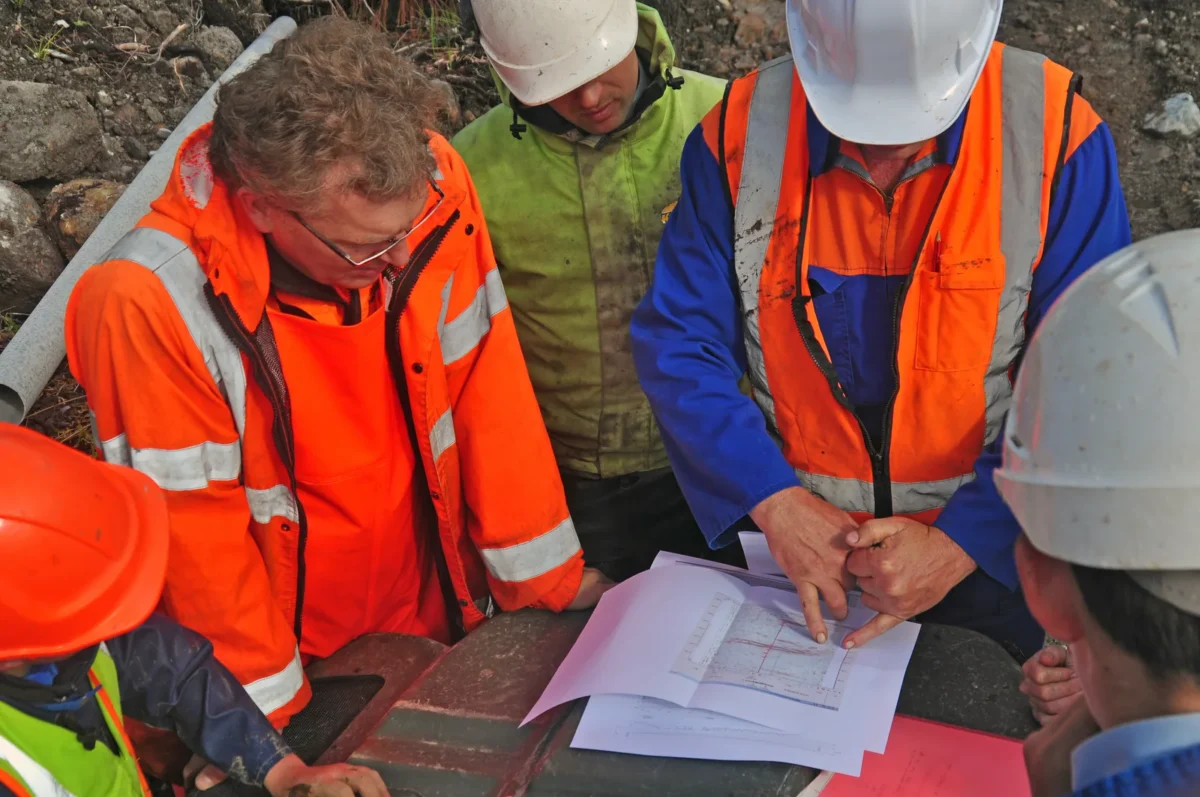
Surveyors discussing site plans outdoors.

Discuss environmental compliance consultants

Complete the form and we will get back to you.

Turn each finding into an action

An actionable finding identifies the issue, the relevant requirement or control objective, and the evidence supporting it. The next step might be an immediate operational correction, a document update, further investigation or a planned improvement.

Priority should reflect significance and the consequences of delay. Assigning a responsible person and a suitable completion check makes it possible to close an action on evidence, rather than because a reminder has been marked complete.

Recheck after operational change

Compliance work is most useful when changes are reviewed before the old arrangements are relied on for a new activity. New plant, materials, storage or discharge patterns can create questions that a previous review did not address.

A follow-up can test whether agreed actions have been implemented and whether the evidence supports closure. The review remains a dated assessment of a defined scope. Keeping its coverage and the operator’s continuing responsibilities clear supports practical management without turning a consultancy report into a blanket certificate.

Ian Bennett and Mark Lynch are environmental consultants who can speak on our behalf about our environmental services.

Environmental Compliance Consultants for Operating Sites: common questions

What is the difference between an audit finding and an improvement suggestion?

A finding identifies a gap against an applicable requirement or defined control. An improvement may go beyond that requirement. The report should distinguish them.

Does a review cover planned process changes?

It can, where those changes are included in the scope and sufficient information is available to assess their implications.

How should an action be closed?

The closure record should show what changed and what evidence demonstrates the required result, including a follow-up check where appropriate.

Environmental Services

Services

Request a quote

Menu

Get a quote