
We coordinate Environmental Impact Assessment where the applicable consenting regime requires it. Specialist evidence is brought together around one consistent development description so the environmental statement can explain likely significant effects, mitigation and important uncertainty.
Environmental Impact Assessment
Specialist studies use one consistent development description so significant effects, mitigation and uncertainty can be assessed together.
Environmental Impact Assessment enquiry
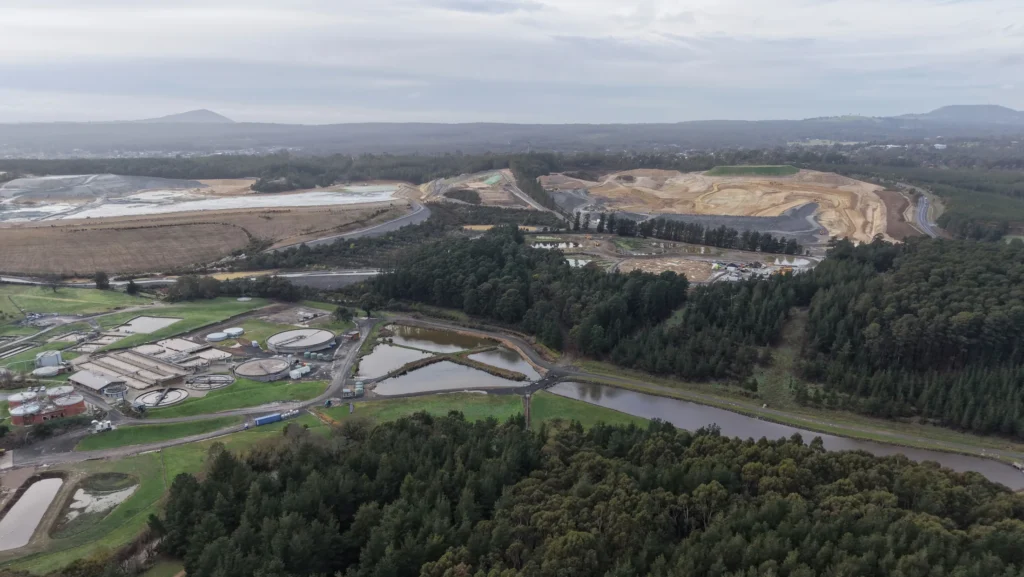
The development proposal
The nature, scale and location of the proposal help establish the issues requiring environmental assessment.
Evidence for the application
Technical studies need to address the effects identified through the applicable EIA process.
Screening and scoping in Environmental Impact Assessment
Screening asks whether EIA is required. Scoping, where used, identifies the environmental issues and level of detail to be addressed once the need for EIA has been established. They are different stages and should not be treated as interchangeable.
The specialists need to assess the same proposal. If chapters rely on different layouts, operating assumptions or construction information, the environmental statement can become internally inconsistent even when the individual studies are detailed.
Discuss environmental impact assessment
Complete the form and we will get back to you.
Environmental effects, mitigation and design
Baseline work establishes the relevant existing conditions. The assessment then considers likely significant effects and the measures proposed to avoid, reduce or manage them, including relevant interactions and cumulative effects.
The environmental statement is evidence for the consenting authority. It should make the reasoning and important uncertainties understandable, but it is not a separate permission and cannot guarantee consent.
When Environmental Impact Assessment is required
Under the planning EIA regime in England, Schedule 1 development requires EIA. Schedule 2 development is screened where the applicable criteria are met, with sensitive-area provisions also relevant. Crossing a Schedule 2 threshold does not by itself mean a full EIA is required; screening considers whether significant environmental effects are likely.
Environmental Impact Assessment: common questions
Does every planning application require EIA?
No. The relevant project type, scale, location and likely effects determine the screening question under the applicable regulations.
Is scoping the same as screening?
No. Screening concerns the need for EIA; scoping concerns what the assessment should cover.
Does an environmental statement grant permission?
No. It supplies evidence for the consenting authority’s decision.
Does exceeding a Schedule 2 threshold always require EIA?
No. It triggers consideration of whether significant effects are likely under the applicable rules. Sensitive-area provisions also matter, even below a threshold.
Can the project design change during EIA?
Yes, but material changes need to be reflected consistently across the specialist assessments so the environmental statement describes the same proposal.