
We provide non-hazardous waste management services for businesses that need reliable storage, collection and recycling arrangements. The service starts from the materials actually produced and how they move through the premises, so containers and collections match normal operations.
Non-Hazardous Waste Management Services
Waste storage, collection, recycling and duty-of-care arrangements based on the materials produced and how the premises operate.
Non-Hazardous Waste Management Services enquiry
Container locations
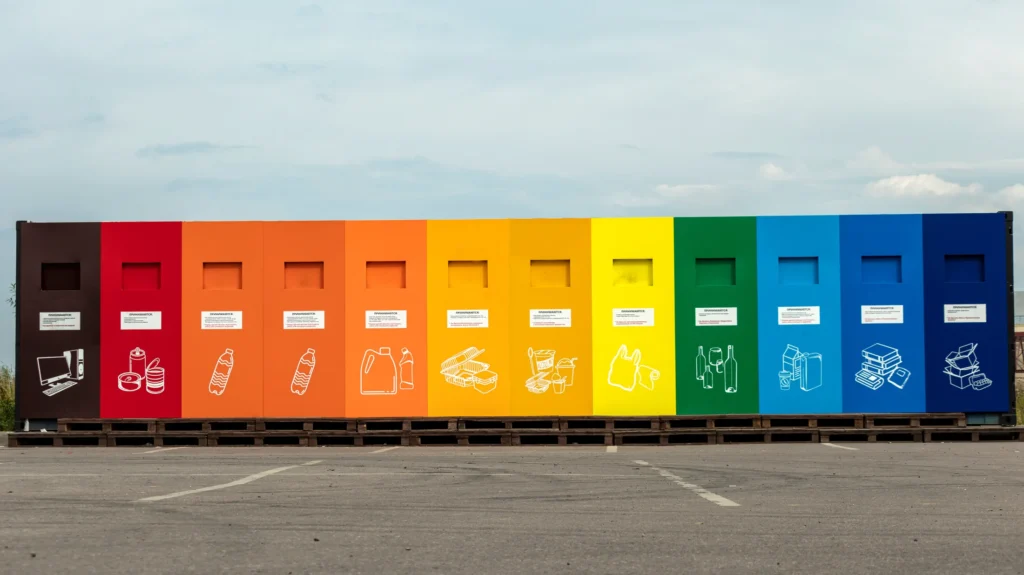
Containers should be placed where staff generate the waste, with enough space for separation and safe collection.
Waste destination records
Transfer information and receiving-site records help the business explain what happened to the material collected.
Waste separation and storage at the premises
Office paper, warehouse packaging and food waste create different storage and collection needs. Container capacity and location affect whether staff can separate materials consistently and whether waste can be kept securely between collections.
The contents still need to be understood before a stream is treated as non-hazardous. Packaging contaminated by a process may require different handling from clean packaging, and uncertain material should be classified rather than put into a routine collection by assumption.
Discuss non-hazardous waste management services
Complete the form and we will get back to you.
Waste collections and duty of care
Collectors and receiving facilities need an accurate waste description. We consider the intended destination and its acceptance requirements alongside carrier checks and the duty-of-care information required for the transfer.
Collection quantities, rejected loads and repeated overfill can show where arrangements need changing. Production, staffing or opening-hour changes may alter both the waste produced and the capacity needed, so the service is reviewed against actual use rather than a fixed bin schedule.
Non-Hazardous Waste Management Services: common questions
Does non-hazardous waste need any paperwork?
Yes. Applicable duty-of-care and transfer-record requirements still apply to business waste.
Can uncertain waste be put in general waste pending identification?
It should be assessed and managed appropriately rather than assumed non-hazardous.
What can make a recycling load unacceptable?
Contamination with the wrong materials can affect the receiving process and may lead to rejection or a different handling route.
Does non-hazardous mean unrestricted disposal?
No. The waste still needs accurate description, suitable transport and an authorised receiving route that can accept it.
Can a change in production affect the arrangements?
Yes. New chemicals or materials can alter classification, container needs and receiving-site acceptance. The waste arrangements should be reviewed when the process changes.