
Choose the service from the decision you need to make
A planning team may need environmental evidence to inform a proposal. An operating business may need to understand a permit condition, classify a waste stream or investigate a discharge. A facilities team may be preparing cleaning or maintenance work. Each situation needs a different scope and a defined use for the findings.
Use the service sections below to identify the relevant subject. A development may require land, water and ecological information, while an operating facility may need waste classification and discharge controls. Each subject has its own evidence requirements, although site plans and operating information may be shared.
Waste, water and industrial site requirements
Waste decisions depend on the material source, composition and proposed handling route. Information about the process and previous analysis can help establish the assessment required. The work should connect the material description with the practical arrangements for storage, movement and the intended destination.
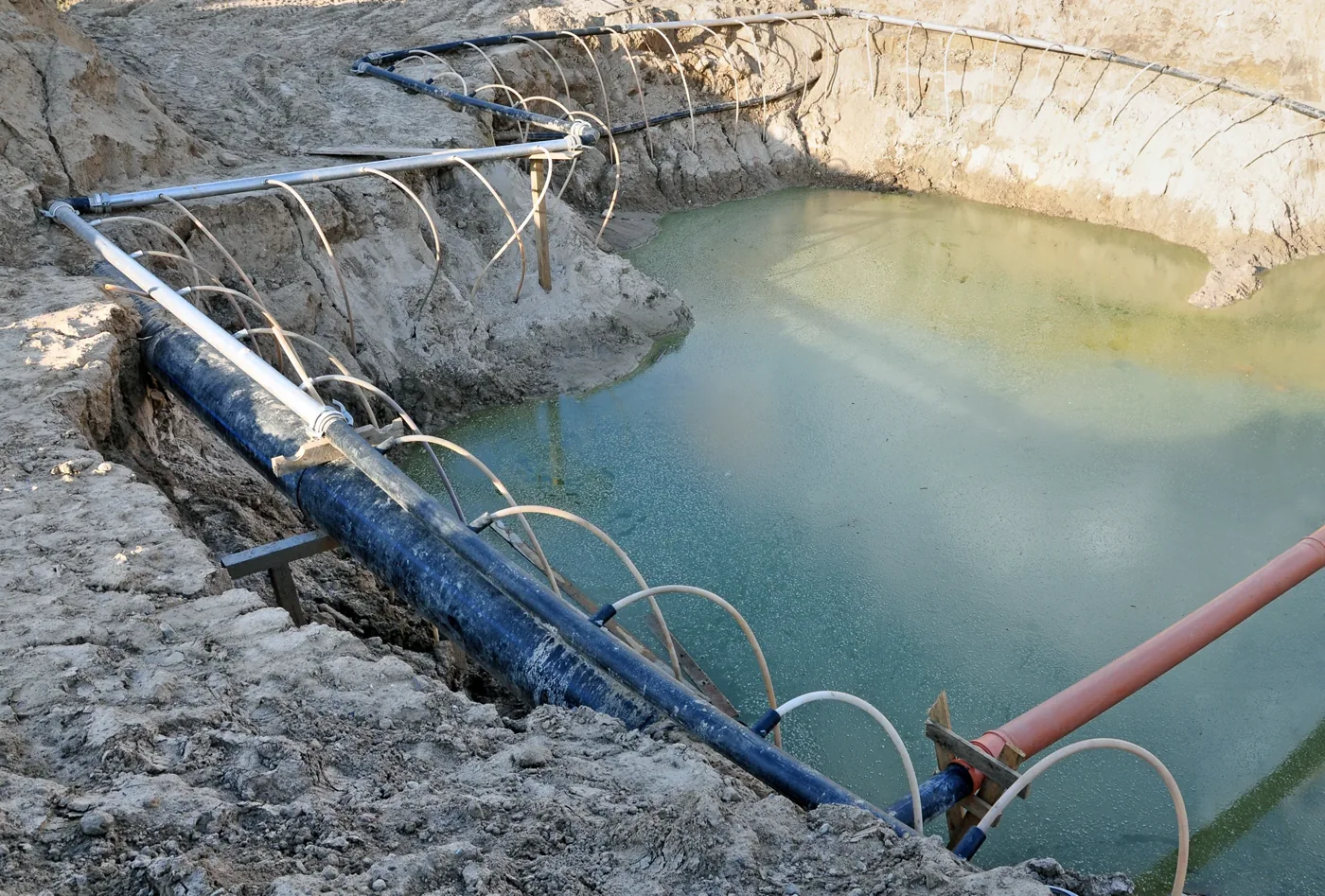
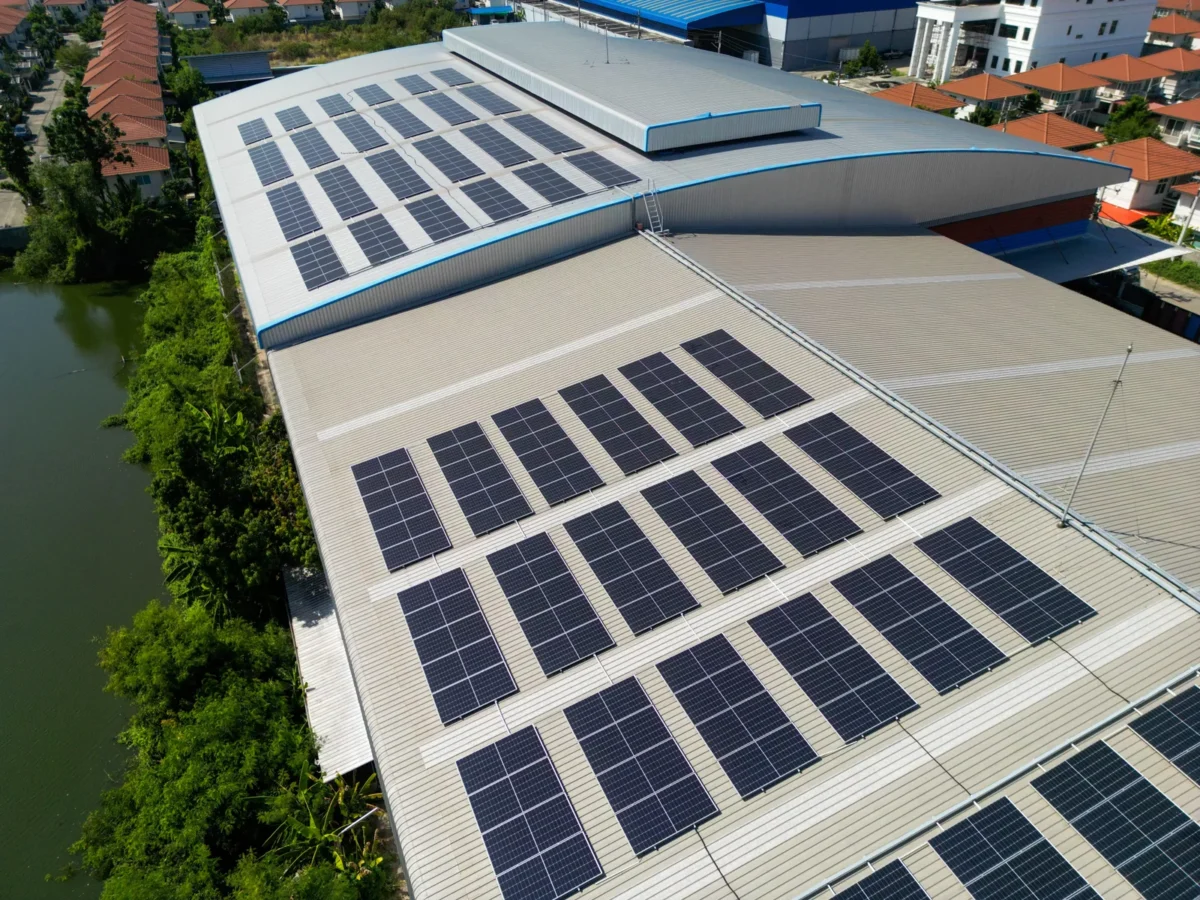
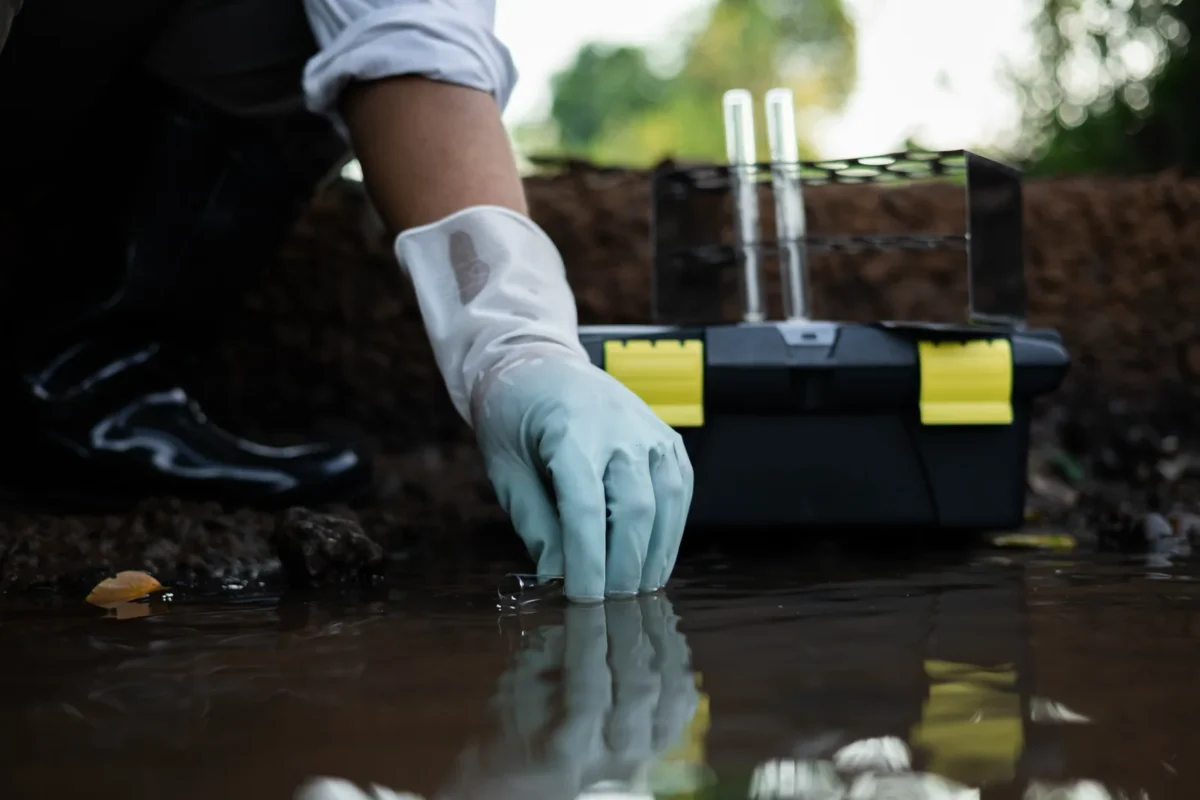
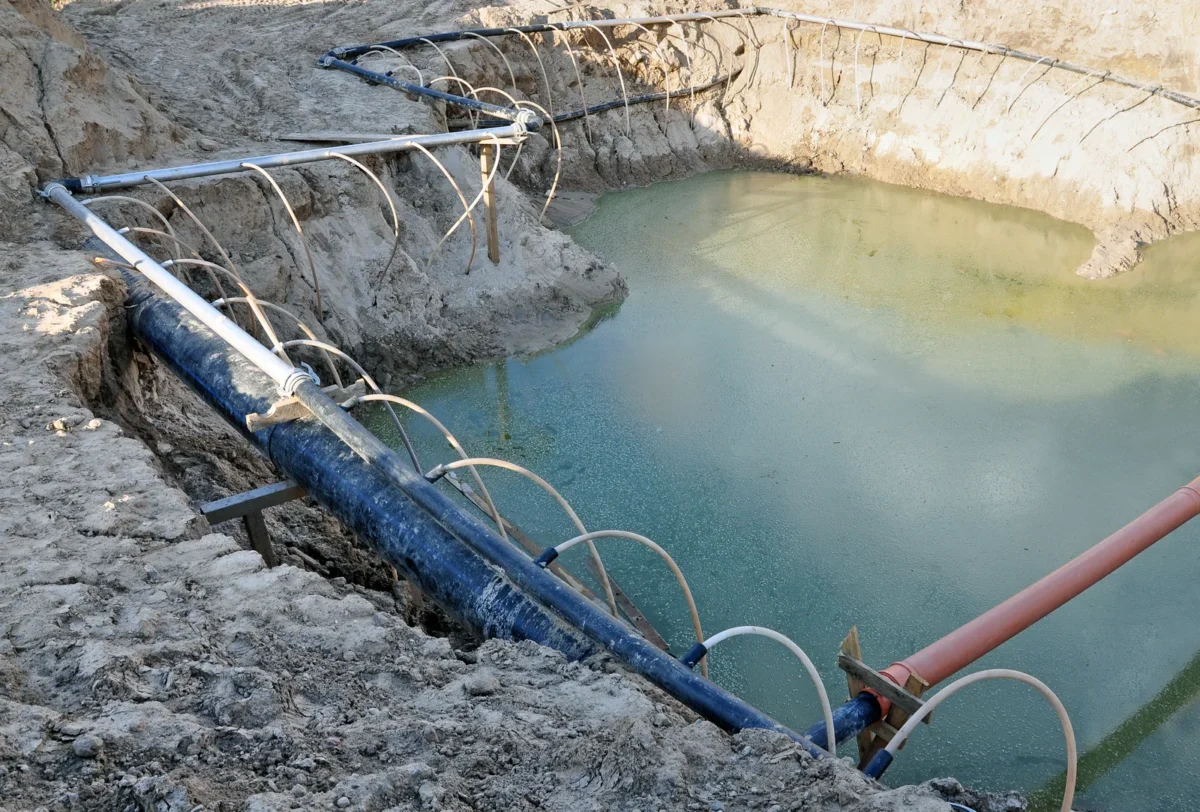
Water and drainage enquiries can involve process wastewater, drainage condition or a proposed discharge. Identify the system, where the water originates and the location of the issue. Industrial cleaning and site works also need a practical brief covering the material, access, operational constraints and required end condition.
Land, planning and environmental assessment
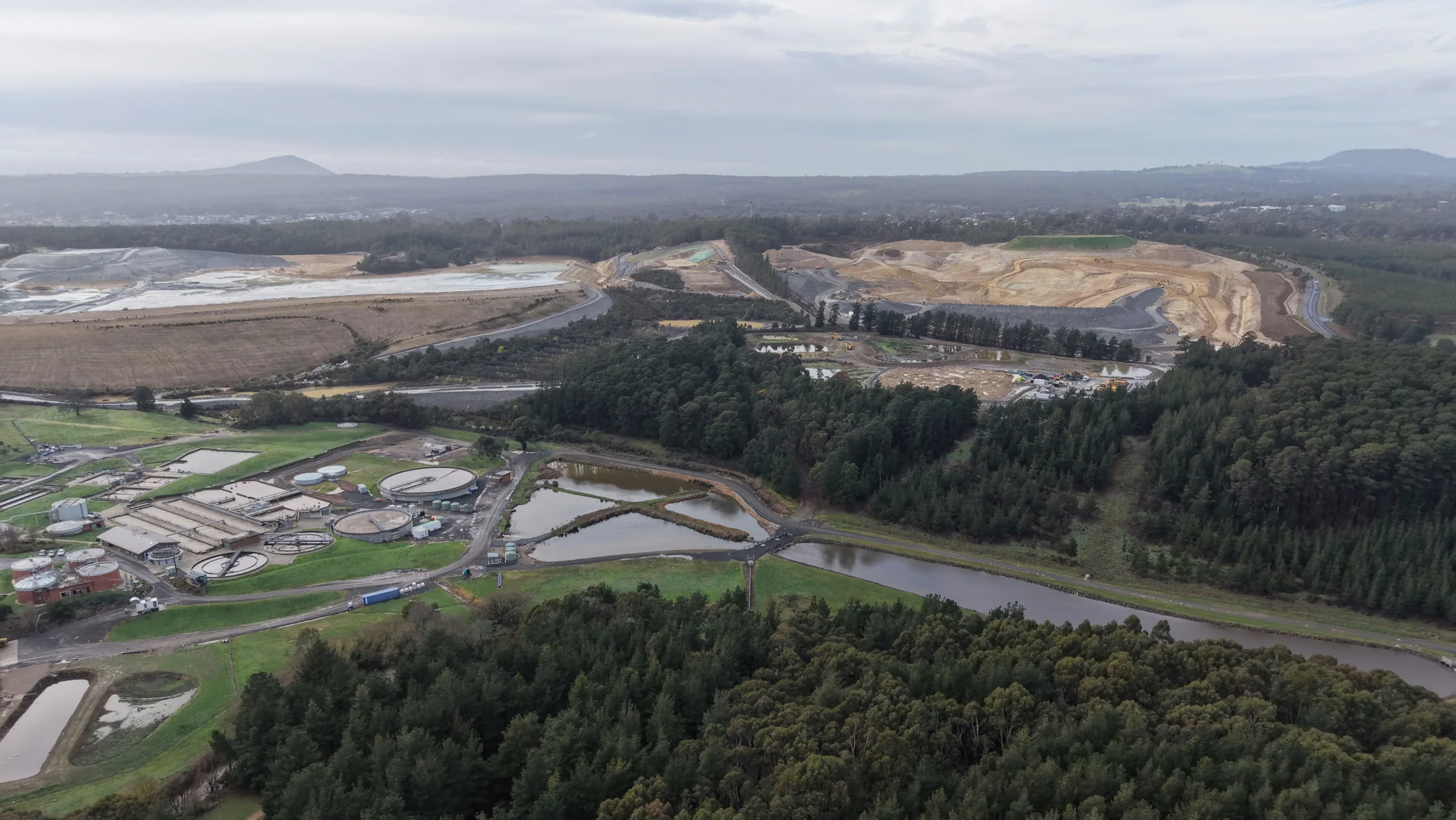
For development and property projects, the proposal and its surroundings determine which environmental subjects need attention. Existing surveys, planning correspondence and design information can help define the next assessment. A report should address the actual decision, rather than repeating a general description of the site.
Where more than one technical subject is involved, consistent assumptions matter. The proposed layout, operating hours or construction activities used in one assessment should align with the information used elsewhere, unless a difference is explained. The relevant service pages describe individual assessment subjects in more detail.
Agree the scope and the form of the findings
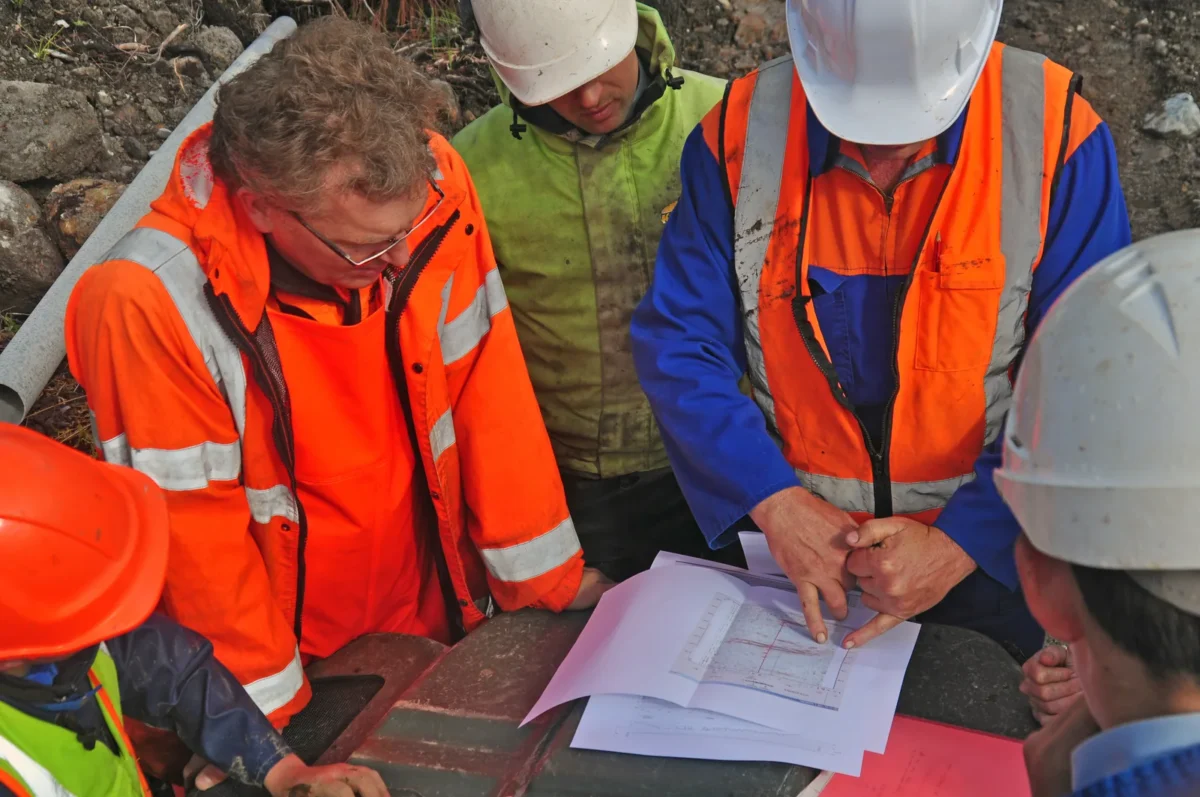
A useful brief identifies the site, the question being addressed, available evidence and the intended recipient of the findings. Distinguish a desk-based review, a site investigation, an application and practical work. Their outputs and dependencies differ, even when they contribute to the same project.
Environmental requirements depend on the activity and the UK nation involved. In England, Environment Agency guidance explains when certain activities may require an environmental permit. Scotland, Wales and Northern Ireland have their own regulatory arrangements, and individual site conditions must also be checked. An assessment can support a decision or application; it should not be described as a guarantee of consent or a particular regulatory outcome.
Information that determines the next assessment
The site location, previous reports, drawings, planning correspondence and operating records can establish what is already known. For land and development work, the proposed use and site history may determine the next investigation. For waste, the origin and composition of the material are central. For drainage and water, the system involved and the destination of the discharge are important.
Commercial environmental work differs from council household collections and public environmental-health functions. The relevant specialist service pages provide more detail on individual technical subjects, including the information needed to define an assessment or practical task.
Which environmental service should I enquire about?
Start with the decision or practical problem: development assessment, waste handling, water or drainage, compliance or site work. Include the available information and the outcome you need from the work.
Can one project involve several environmental subjects?
Yes. A development or operating-site issue can involve related subjects. Define the role of each assessment and keep shared assumptions consistent so the findings can be considered together.