
We prepare dust risk assessments for demolition and construction work that could affect nearby people or other sensitive uses. The assessment links the likely dust-generating activities to controls that can be applied as the project changes.
Dust Risk Assessment
Construction dust risks and controls linked to the activities, site layout and nearby sensitive uses.
Dust Risk Assessment enquiry
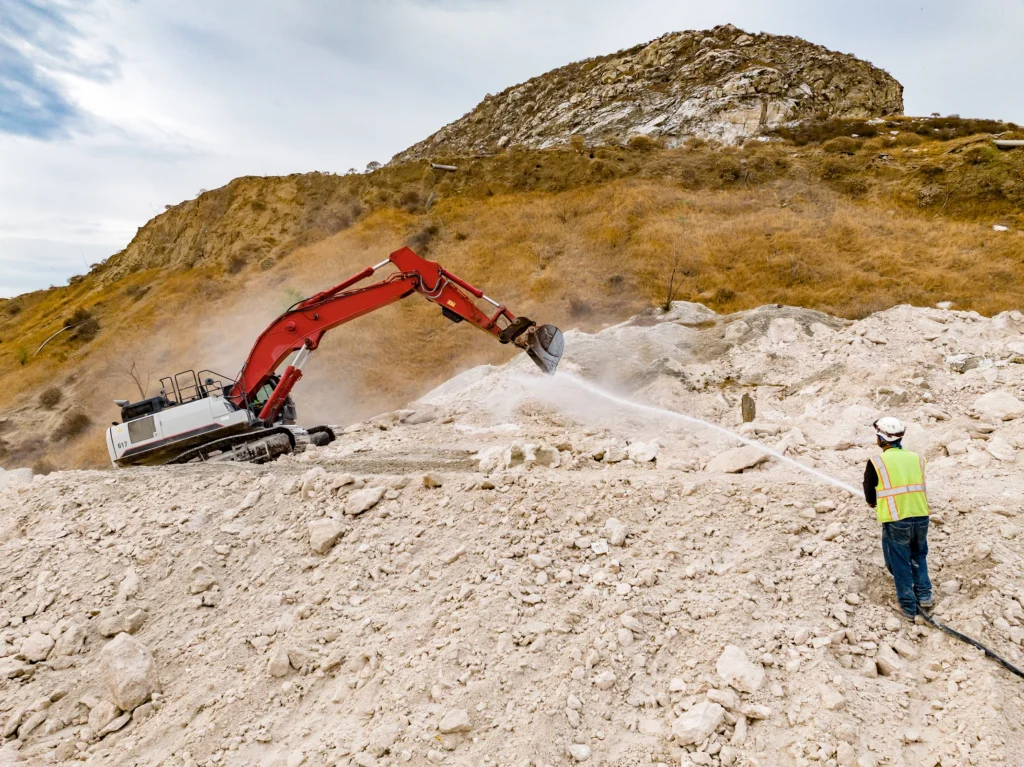
Dust-producing activities
Demolition, stockpiling and vehicle movements can create different sources that need suitable controls.
Weather and surroundings
Wind, dry conditions and nearby sensitive uses influence how dust may affect the area.
Dust risks from different site activities
Demolition, earthworks, stockpiles, construction and vehicle movements create different dust sources. Their scale, duration, material condition and distance from sensitive locations influence the level of risk.
Buildings, vegetation, wind and dry conditions affect how dust can travel. A phased site may need different controls as work moves, so the assessment is based on the actual activities and layout rather than a fixed generic list.
Discuss dust risk assessment
Complete the form and we will get back to you.
Construction dust controls
Suppression, housekeeping, vehicle measures and stockpile controls are matched to the relevant activity. Inspection and monitoring arrangements need to be clear enough for the site team to recognise when controls are not working as intended.
An environmental dust assessment does not replace workplace exposure assessment for substances such as respirable crystalline silica or asbestos. Suspected hazardous materials need the appropriate specialist assessment and controls before disturbance.
Demolition, earthworks, construction and trackout
IAQM guidance considers demolition, earthworks, construction and trackout separately. Trackout concerns material carried onto roads by vehicles, while earthworks can expose larger areas of loose soil. The mitigation follows the activity and sensitivity of the surroundings, and it may need to change with weather and project phase.
Dust Risk Assessment: common questions
Is dust risk based only on the size of the site?
No. Material, activity, duration and nearby receptors all influence the assessment.
Does a construction dust assessment replace a workplace exposure assessment?
No. Occupational exposure to substances such as respirable crystalline silica or asbestos requires its own appropriate assessment and controls.
Should dust controls stay unchanged through construction?
Review them as the activity, weather, layout and observed conditions change.
Is trackout just dust inside the boundary?
No. It concerns material carried onto the road by vehicles. Access arrangements, vehicle cleaning and road conditions therefore matter to the assessment.
What if suspected asbestos-containing material is found during the work?
It should not be treated as ordinary construction dust. Appropriate specialist assessment and controls are needed before it is disturbed.