
We prepare trade effluent consent applications and review existing process discharges to the public sewer. The application describes what is being discharged, how much, when it occurs and any treatment or monitoring relevant to the sewerage undertaker.
Trade Effluent Consent
We describe process effluent, discharge patterns and supporting evidence for the relevant sewerage undertaker.
Trade Effluent Consent enquiry
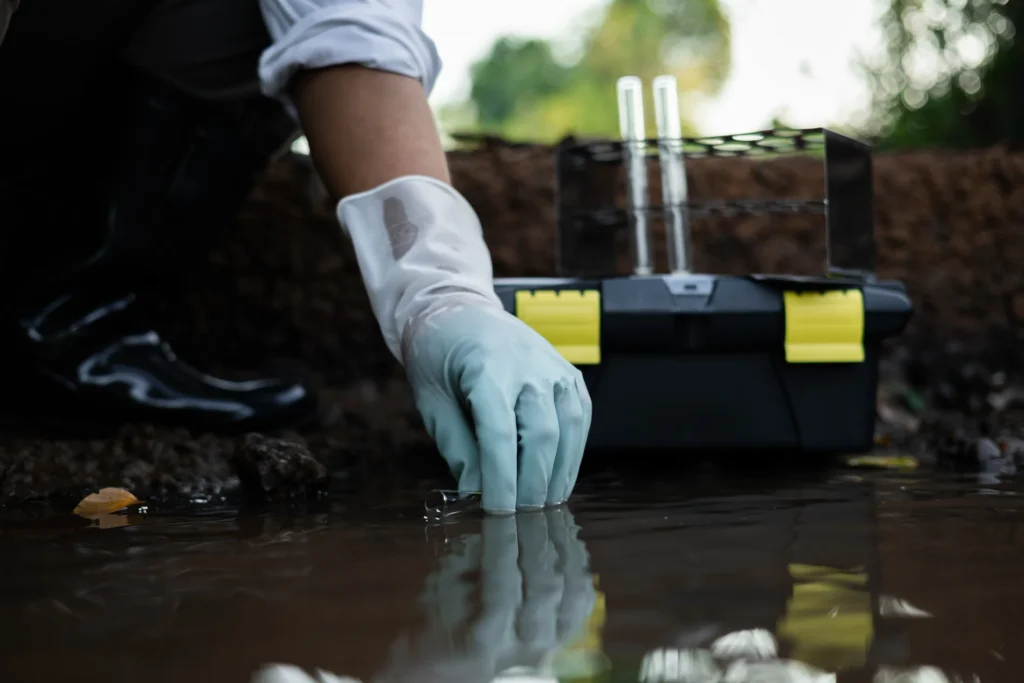
The receiving sewer
The proposed discharge point and sewerage provider help establish the consent application requirements.
Effluent characteristics
Volume, temperature and chemical composition influence the information needed to assess a proposed discharge.
Process wastewater and trade effluent
Trade effluent can come from production, washing and other commercial processes. Its composition, volume and pattern of discharge matter. Drainage information should distinguish process effluent from domestic foul drainage and surface water so the receiving route is clear.
Sampling, chemical-use information and production records help describe the discharge. A changing or intermittent batch process may need more representative evidence than a single sample, even if the total daily volume is modest.
Discuss trade effluent consent
Complete the form and we will get back to you.
Consent conditions and monitoring
The sewerage undertaker determines the consent and its conditions. Depending on the discharge, the application can require flow information, analysis, treatment details and a suitable sampling point; the correct application route also depends on the water-market arrangements for the premises.
A change in chemicals, production or discharge pattern should be checked against the existing consent before it is introduced. Discharge to ground or a watercourse follows a different regulatory route and is not authorised by trade effluent consent.
Effluent composition, flow and charging
Volume is only part of the picture. Suspended solids, pH, chemical oxygen demand and discharge timing can affect treatment and consent conditions. Many undertakers use a Mogden-based charging method, but the actual tariff and consent conditions must be checked with the relevant undertaker.
Trade Effluent Consent: common questions
Can process wastewater use an existing foul drain without assessment?
Do not assume it can. Trade effluent requirements must be checked with the relevant sewerage undertaker.
Does trade effluent consent cover discharge to a river?
No. Direct discharge to the environment involves a separate regulatory route.
What if production or cleaning chemicals change?
Review the change against the consent and consult the relevant undertaker before altering the discharge.
Can one sample represent every trade effluent discharge?
Not always. An intermittent or changing process may need evidence that represents normal operation and unusual batches rather than one isolated sample.
Is domestic foul drainage part of the trade effluent consent?
Trade effluent concerns process or other trade discharges. The drainage information should distinguish it from domestic foul drainage and surface water.