Before commissioning environmental surveys for a commercial development, establish what the planning decision actually needs to demonstrate and which uncertainties could change the site’s suitability, layout or programme. The right starting point is often a review of existing information rather than immediately ordering every available assessment.
Flood risk, ecology, land contamination, drainage and operational impacts can each require different evidence. Some issues can be resolved from existing records. Others need site visits, sampling or further specialist investigation.
The buying decision is therefore about choosing the necessary investigations in the right order, with a clear question for each specialist to answer.
Start with the development decision, not a standard survey package
An environmental investigation is only useful if its findings can inform a decision. Before seeking quotations, define what is proposed and which decisions remain open.
For a commercial development, relevant details include the proposed land use, building positions, access arrangements, landscaping, drainage proposals and any planned industrial operations.
The stage of the transaction also matters. A prospective purchaser may need enough evidence to decide whether to proceed with acquisition. A planning applicant may need technical reports meeting the local planning authority’s requirements. A contractor preparing for groundworks may need more detailed information about the materials and conditions that will be encountered.
These are not necessarily identical scopes of work.
An early evidence review should identify three categories:
- Established conditions: Relevant facts supported by reliable existing information.
- Material uncertainties: Issues that could change the viability, design or consent strategy.
- Later-stage details: Information that can reasonably be developed after the principal site constraints are understood.
This distinction helps avoid paying for detailed measurements that do not yet address the project’s most important question.
When should ground contamination be investigated?
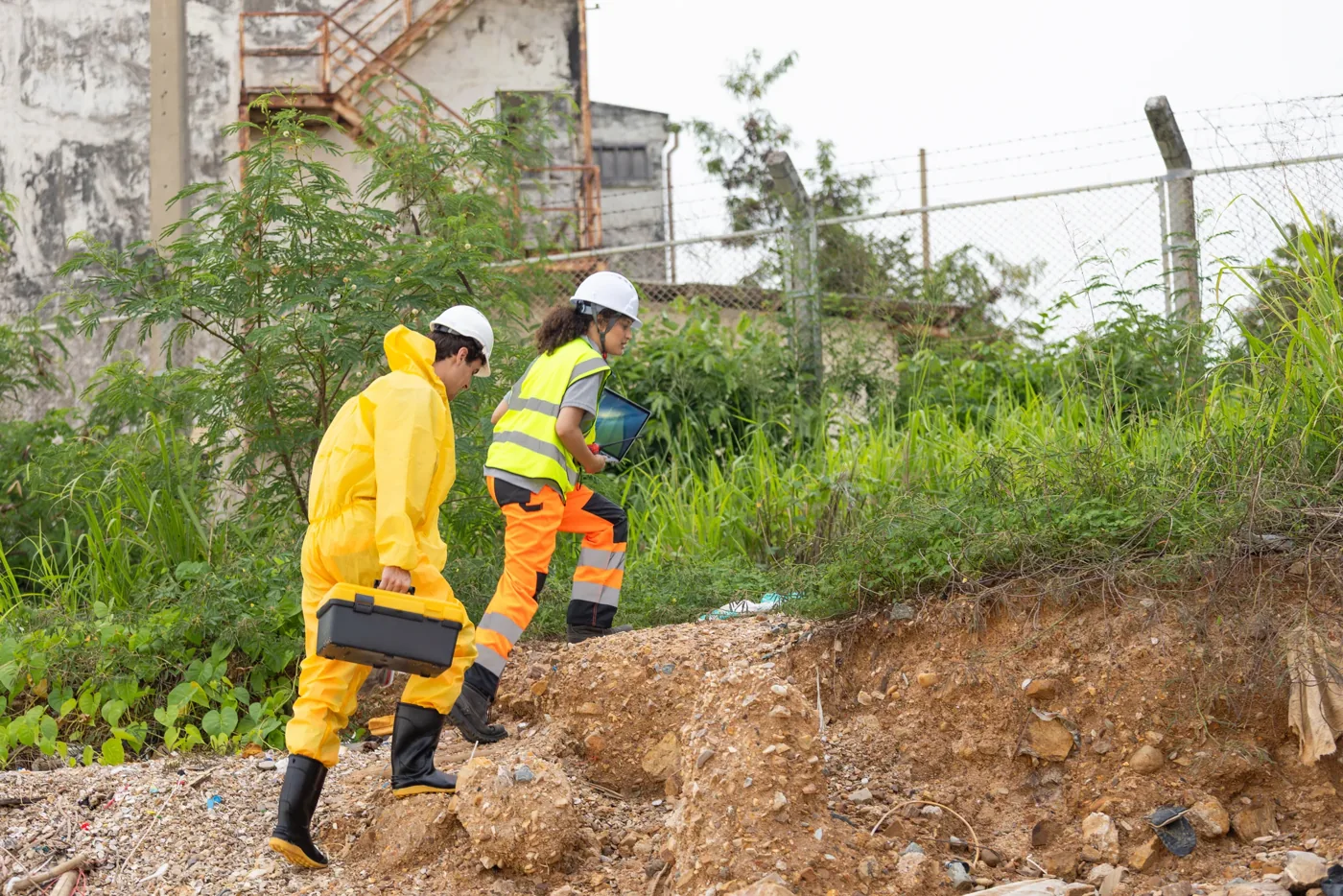
Previous industrial use, fuel storage, made ground or historic waste handling can justify a closer examination of land conditions. However, industrial history alone does not establish that unacceptable contamination is present.
The initial question is whether potentially contaminating activities could have created a credible pathway to people, buildings, groundwater or other receptors under the proposed use.
The government’s planning guidance on land affected by contamination explains that investigations should be proportionate to the risks and that a desk study and site walkover can provide the starting evidence.
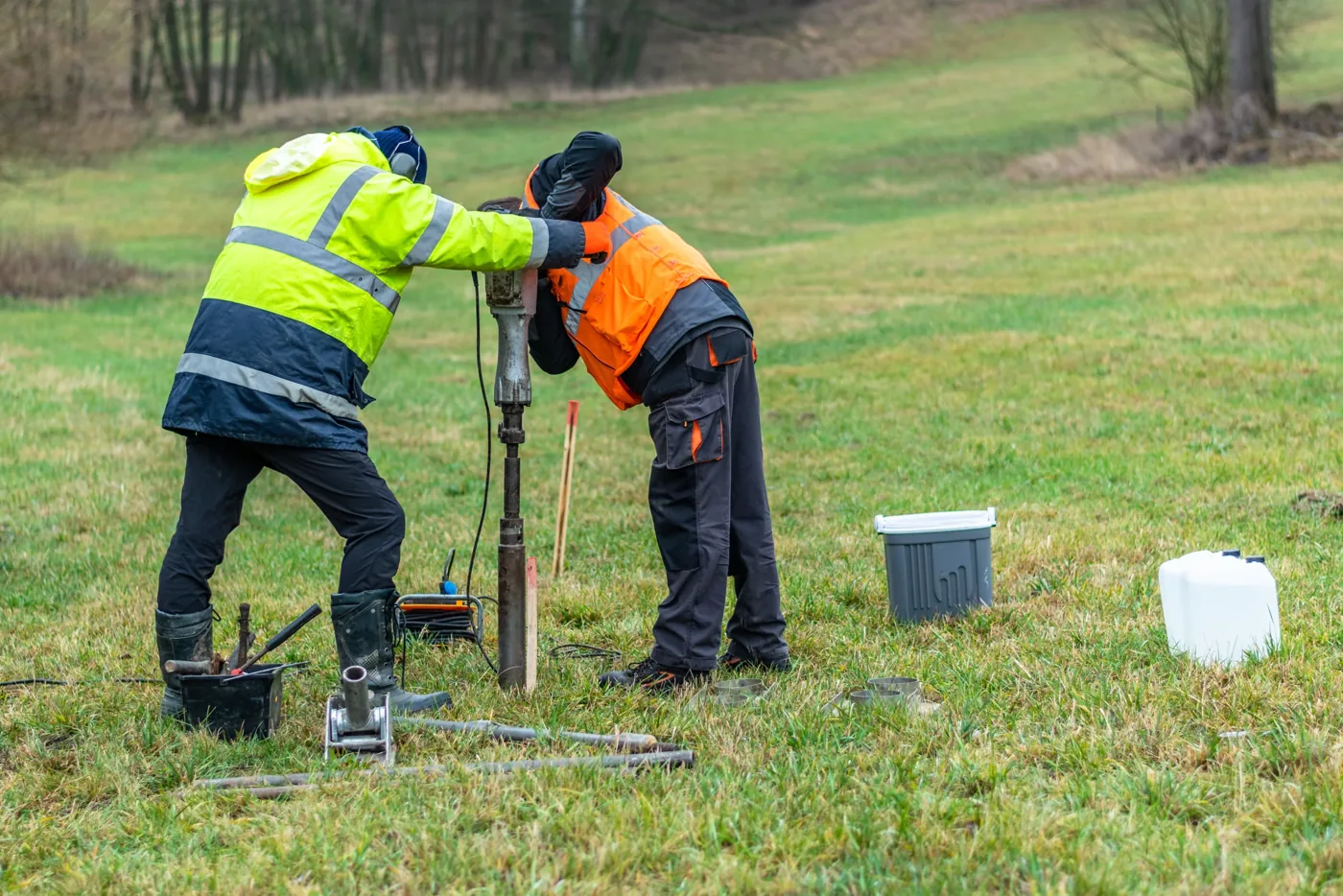
Where the preliminary evidence identifies uncertainties requiring direct testing, targeted intrusive investigation may follow. The Environment Agency’s land contamination risk management guidance describes a staged approach based on contaminant sources, pathways and receptors.
For a purchaser, commissioning extensive intrusive work without first examining historic land use may result in sampling that misses the relevant areas or tests for the wrong substances.
When are ecology surveys needed?
Ecological requirements depend on the site, surrounding habitats, proposed activities and the potential for protected or important species to be affected.
A cleared industrial plot may appear to have limited ecological interest, while adjoining vegetation, buildings, trees or water features could create questions that are not obvious from aerial photographs alone.
The government’s natural environment planning guidance explains that ecological survey work may be necessary before a planning application where development could significantly affect biodiversity and available information is inadequate.
An initial habitat assessment can help decide whether further species-specific investigation is justified. Where relevant, a Preliminary Ecological Appraisal identifies ecological constraints and potential additional survey requirements.
Timing deserves attention because some species surveys rely on seasonal activity. Discovering a survey requirement after finalising the development programme can restrict when reliable evidence is available.
Ecological appraisal and biodiversity net gain calculations also have different purposes. One cannot automatically substitute for the other.
Should flood and drainage evidence be commissioned together?
Flood risk and drainage design are connected but address different questions.
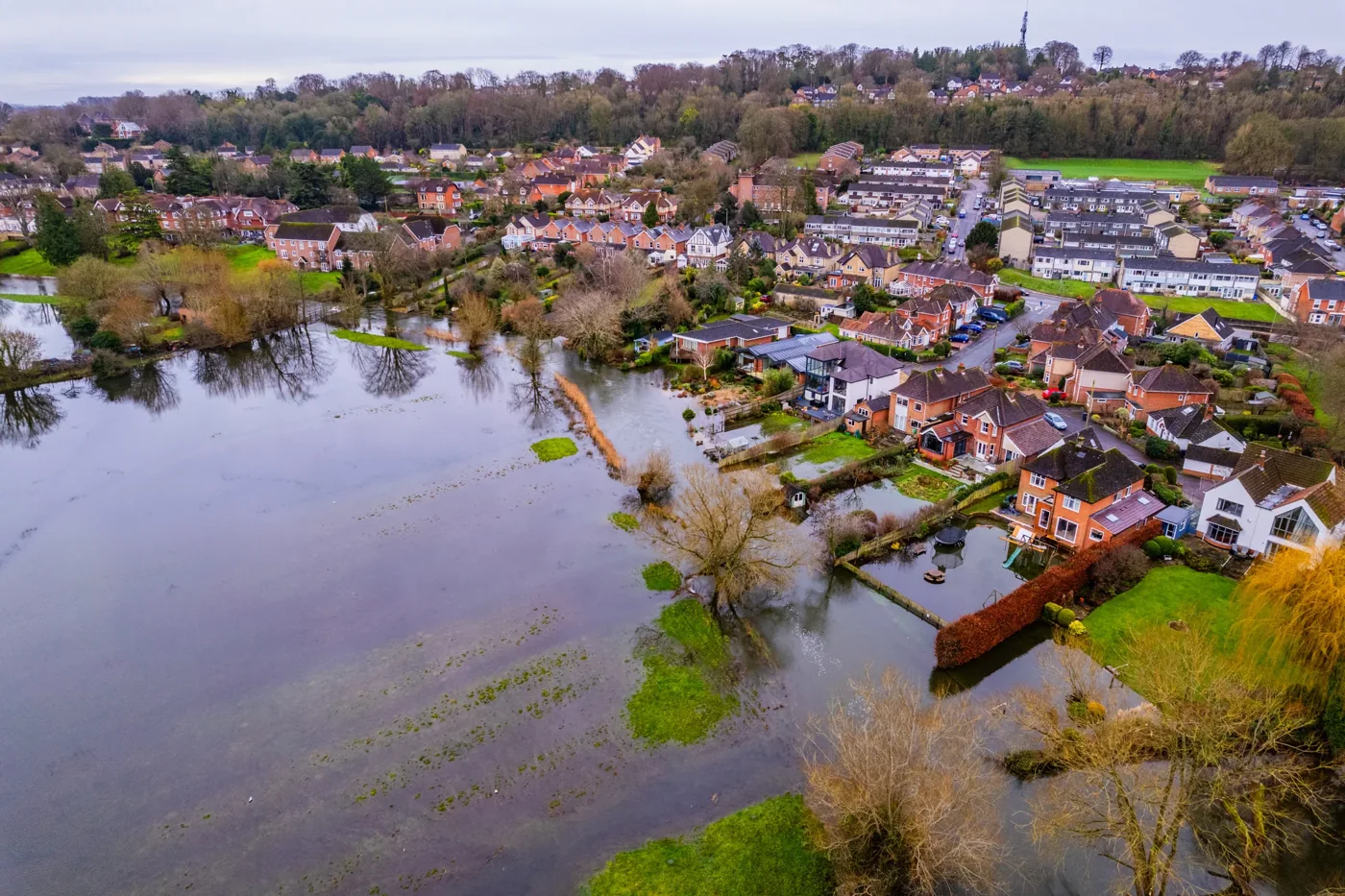
Flood evidence considers whether a development could be affected by flooding, including relevant off-site sources, and how the proposal changes flood risk. Drainage design addresses how rainfall from the developed site will be managed.
For example, an industrial development might require attenuation to manage runoff from new hardstanding while also needing to investigate an existing overland flow route crossing the site.
The Environment Agency’s guidance for planning applicants identifies circumstances in England where a flood risk assessment is needed, including relevant flood zones, larger sites in Flood Zone 1 and certain mapped surface-water risks.
Where both flood and drainage studies are relevant, consistent assumptions about ground levels, site boundaries and proposed development help prevent conflicting recommendations.
It may be sensible to establish fundamental flood constraints before committing to building positions or detailed drainage storage arrangements.
How should operating-site environmental requirements be considered?
Developments involving industrial activity can also raise operational questions. Process emissions, wastewater, waste handling, noise and environmental permits may influence what can practically operate on the site.
The necessary work depends on the proposed activity. A warehouse with ordinary storage and distribution requirements does not necessarily need the same operational evidence as a facility introducing industrial processes.
Planning permission and environmental permitting should not be treated as a single approval.
The Environment Agency’s planning and permitting guidance explains that planning considers the acceptability of land use, while permitting considers whether relevant operations can be carried out under appropriate environmental controls.
For developments needing both, early coordination may reveal design implications before an application is submitted.
How can several investigations be coordinated without duplicating work?
Different specialists may need overlapping information about the same site. Common inputs include boundaries, current and historical uses, proposed layouts, existing drainage, ground levels and planned operating activities.
A single current project description gives each investigation a reliable starting point. Existing reports should be reviewed for relevance, coverage and changes since they were prepared, rather than automatically accepted or repeated.
When requesting proposals, ask each specialist to specify the decision their work addresses, the evidence already available, the proposed methodology, deliverables, dependencies and circumstances in which additional investigation may become necessary.
There are several practical sequencing priorities:
- Resolve issues that could make the proposed development unsuitable or require major changes to its layout.
- Identify seasonal investigations and other activities with restricted opportunities for evidence gathering.
- Commission targeted testing where an initial review has established a credible uncertainty.
- Coordinate assessments sharing project assumptions, plans or survey information.
- Update relevant investigations when the proposal changes materially.
This is the role of proportionate Environmental Consultancy: establishing which environmental questions need specialist evidence and bringing those findings into a usable project decision.
What should you establish before approving survey quotations?
Before committing expenditure, confirm the proposed development, the available site information, the important unanswered questions and the date by which each decision is needed.
A useful quotation should make clear what it will establish and what remains outside its scope. That allows competing investigation proposals to be compared on their relevance and deliverables rather than the number of tests or pages promised.
The objective is not the largest possible collection of reports. It is an evidence programme that addresses material environmental constraints in time to influence acquisition, design and planning decisions.
To discuss the evidence needed for a proposed development, request an environmental consultancy quote.