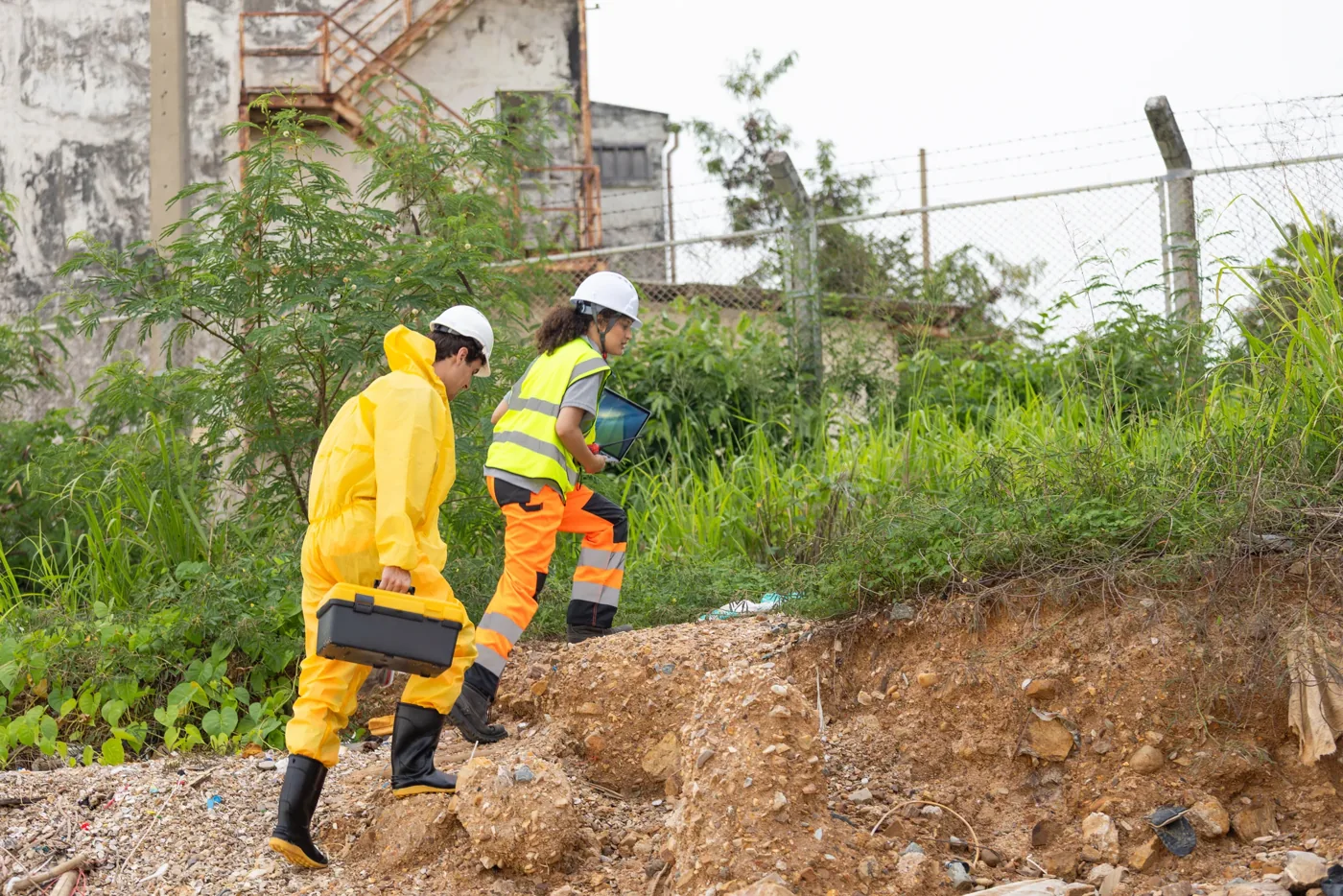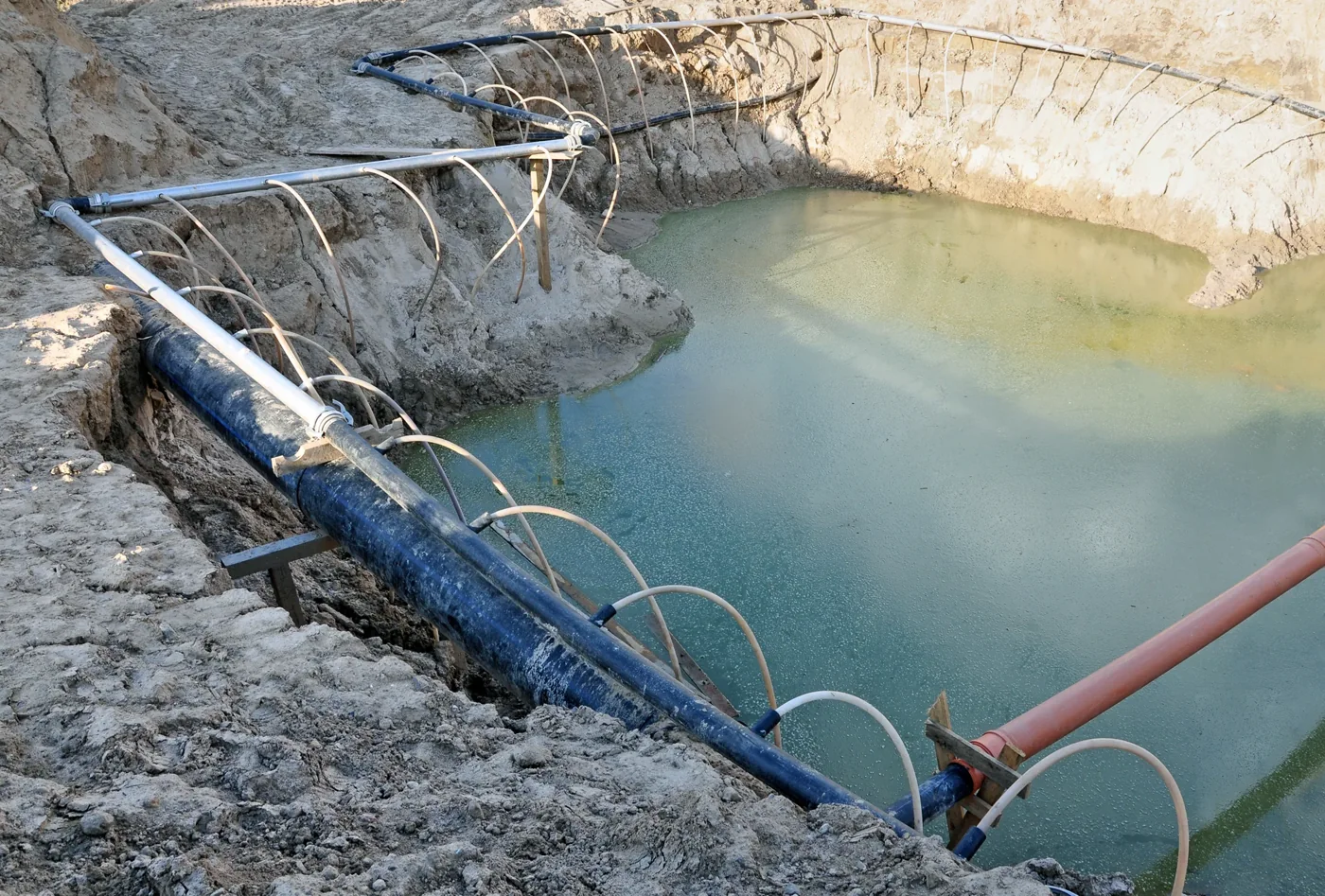
Excavated soil from an industrial development can sometimes be reused on the same site, but remaining within the site boundary does not automatically make reuse suitable or lawful. The contractor needs to establish three separate points: whether the material is environmentally suitable for its intended location, whether it is legally classified as waste, and whether it meets the construction specification.
Those decisions are connected, but evidence supporting one does not necessarily answer the others.
Suitability and waste status are different questions
Industrial ground can contain material affected by historic manufacturing, fuel storage, made ground, demolition or previous filling. Excavation may expose visually ordinary soil alongside ash, rubble or chemically affected deposits.
A contamination assessment considers which substances may be present, their concentrations and whether they could create unacceptable exposure under the proposed development. That differs from deciding whether the holder is discarding the material for the purposes of waste legislation.
The waste duty of care code for England and Wales explains that waste status depends on the circumstances, including whether material is discarded, intended to be discarded or required to be discarded.
Neither keeping soil on the same development nor describing it as useful fill automatically resolves its status. Where material is waste, the proposed recovery activity must follow an appropriate legal route. If it is not waste, that does not remove the need to establish environmental and engineering suitability.
Likewise, a laboratory result indicating that soil is not hazardous waste does not establish that it is suitable for an open landscaped area, safe for use near infiltration drainage or capable of meeting a specified compaction requirement.
How reuse location changes exposure
The same excavated material may present different risks depending on where it is placed.
Soil proposed beneath a commercial hardstanding may have different exposure conditions from soil used in open landscaped areas. A landscaped area could allow direct human contact and plant uptake. A location near permeable ground or drainage features may raise questions about contaminants reaching groundwater or surface water.
For example, material excavated from beneath an old industrial slab might be considered for use in a service yard. The environmental assessment would need to examine the actual material and the proposed arrangement, including whether future excavation or changes in surface covering could alter exposure.
Moving that same material into a planted boundary strip changes the relevant pathways. Direct contact with soil, dust generation, vegetation and water movement may become more important.
The Environment Agency’s land contamination risk management guidance uses relationships between contamination sources, exposure pathways and receptors to evaluate these situations.
Site history alone cannot confirm contamination, and isolated test results cannot represent every excavation. The assessment needs sufficiently representative evidence for the material being considered.
Decide whether assessment supports proposed reuse
Before allocating excavated soil to permanent works, the development team should establish a clear material inventory and destination plan. Relevant information includes:
- Origin: The excavation location, depth, geological or made-ground unit and previous activities affecting that area.
- Condition: Visual observations, suspected contaminants, available chemical analysis and differences between identifiable material types.
- Destination: The proposed position, depth, covering, drainage conditions and future land use.
- Construction performance: Whether grading, moisture, strength and compaction properties satisfy the intended engineering function.
- Regulatory position: The evidence supporting waste-status decisions and any authorisation needed for the proposed activity.
Keeping separately characterised materials identifiable during excavation and storage helps prevent an otherwise suitable reuse option being compromised by mixing different deposits.
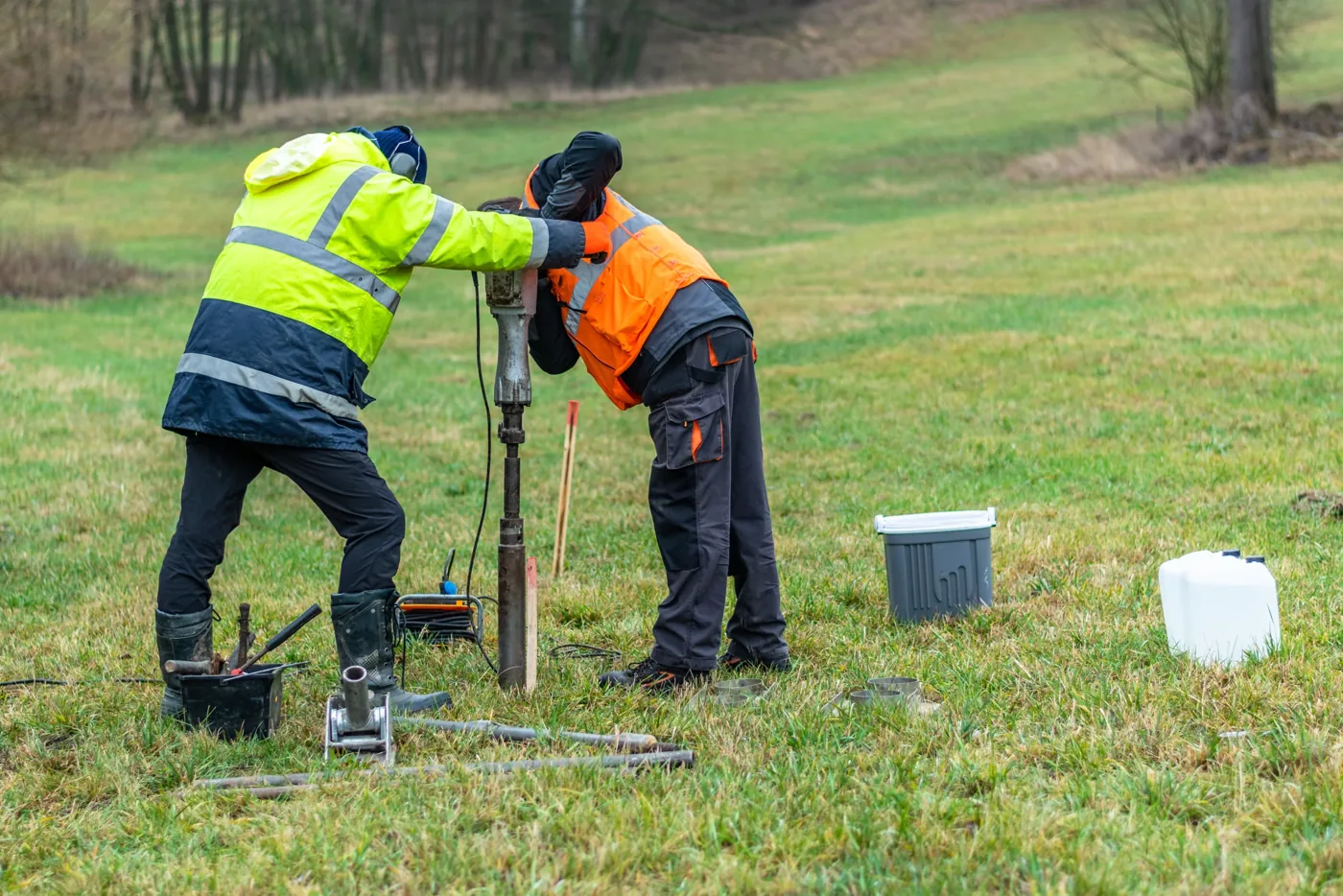
Where existing information is inadequate, a Contaminated Land Assessment can examine whether proposed reuse creates unacceptable contaminant linkages. Targeted Phase 2 Site Investigation may provide additional sampling evidence where identified uncertainties require intrusive work.
The resulting decision may support reuse in specified locations, identify a need for treatment or controls, or rule out particular destinations. The contractor must still resolve waste status and engineering acceptance separately.
A defensible reuse decision identifies exactly which soil can go where, why that location is suitable and what conditions must remain in place for the assessment to remain valid.