When a factory, depot or processing site closes, storage tanks need attention even if they have been out of use for some time. Buyers, landlords and environmental consultants may want to know what they contained, whether they were cleaned and what happened to the remaining material. A tank that has been switched off can still contain product, sludge, contaminated water or vapour. Those residues need to be dealt with before the tank can be removed or safely left in place.
The work involves identifying what each tank held, arranging cleaning, managing the resulting waste and deciding whether the tank should be removed or retained. Its history also matters when assessing possible contamination beneath and around the installation. Keeping records of these activities helps explain the condition of the site to a future owner or environmental consultant.
Know what each tank held and how it was connected
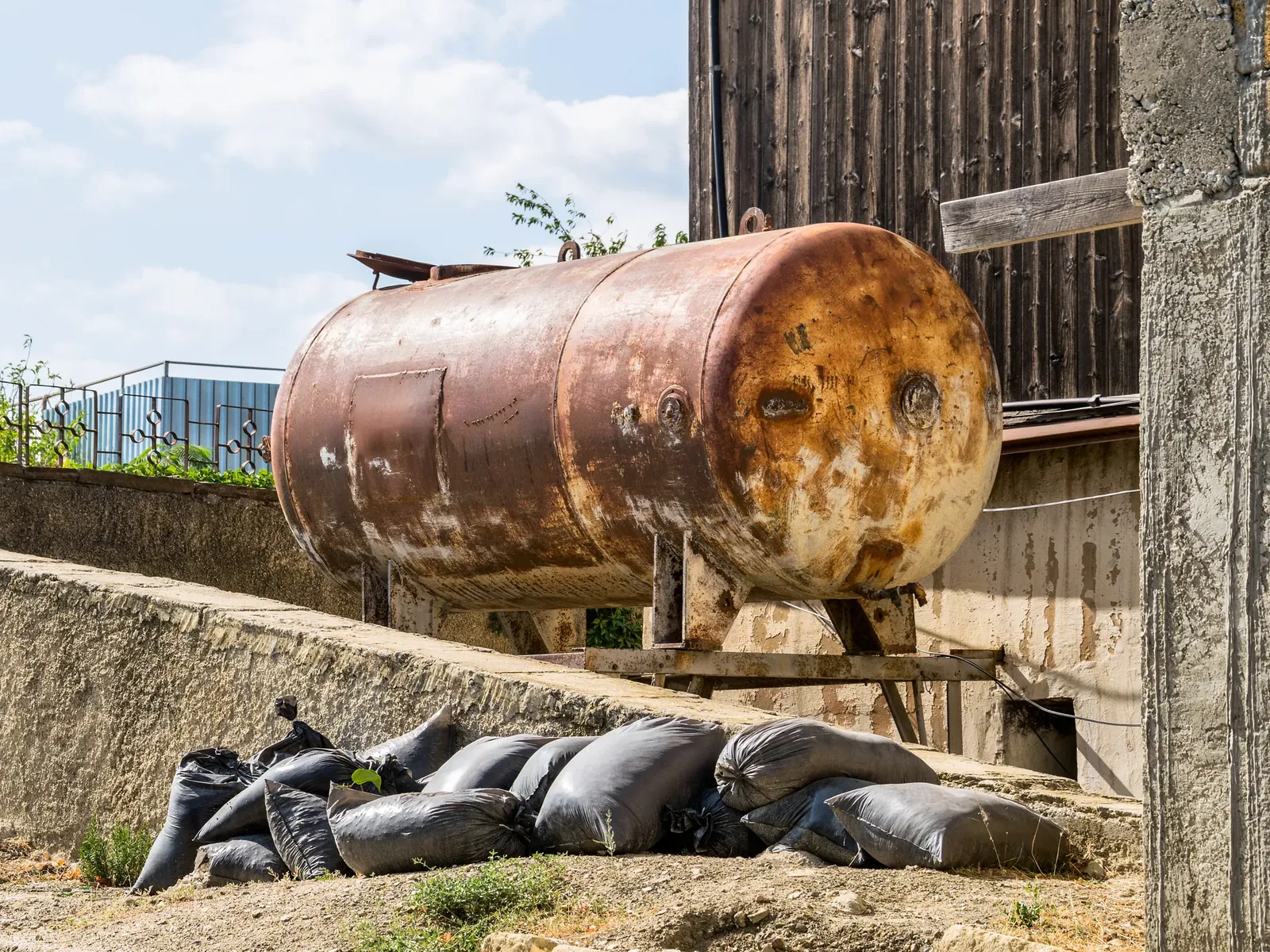
A decommissioning plan needs an accurate list of the tanks and associated plant on the site. That includes above-ground fuel and oil tanks, process vessels, chemical and effluent tanks, interceptors and underground tanks that may have been out of use for years. Historic drawings should be checked against what is actually present, particularly where plant has been altered or replaced during the site’s working life.
For each tank, the useful facts are what it stored, its approximate capacity, its construction, whether it sits in a bund, and how it connects to the rest of the site. Fill points, vent pipes, transfer lines and drainage connections all matter, because a pipe that runs under a yard can carry residues well away from the tank itself.
Purchase records, delivery notes, maintenance reports and information from long-serving staff can help establish what was stored. Where the contents are unknown, the remaining material may need to be sampled and identified before the cleaning method and waste classification can be determined.
Empty, clean and make safe before anything is cut or lifted
A tank can appear empty while still containing sludge, water, sediment or product residues. Fuel and oil tanks may have deposits at the base, while process and chemical vessels can retain material on internal surfaces, in pipework and around fittings. Vapour may also remain after liquid has been removed. Tanks that previously contained flammable substances require particular attention before cutting or other hot work.
Tank cleaning requires an assessment of the contents, access arrangements and hazards involved. Where work meets the legal definition of confined space work, the Health and Safety Executive’s confined spaces guidance requires entry to be avoided where reasonably practicable. Where entry cannot be avoided, a safe system of work and adequate emergency arrangements are required. The cleaning method depends on the tank and its contents. Some work can be carried out externally, while other tasks may require controlled internal access.
Tank Cleaning Services covers industrial storage tank and process vessel cleaning, including sludge and product residue removal, preparation for inspection, and cleaning ahead of removal or a change of use. For a decommissioning project, the required condition of each tank should be established before cleaning, along with the records needed to document the completed work.
The waste from cleaning needs its own paperwork
Recovered material that is discarded, including sludge and washwater, must be correctly classified as waste. Whether it is hazardous depends on its composition and the applicable waste classification. The waste duty of care requires appropriate checks on the carrier and receiving facility. Waste should be transferred to an authorised carrier and taken to a facility authorised to accept it. Non-hazardous waste transfers require the appropriate waste transfer information, while hazardous waste movements require consignment notes. These records should be retained with the site decommissioning documents.
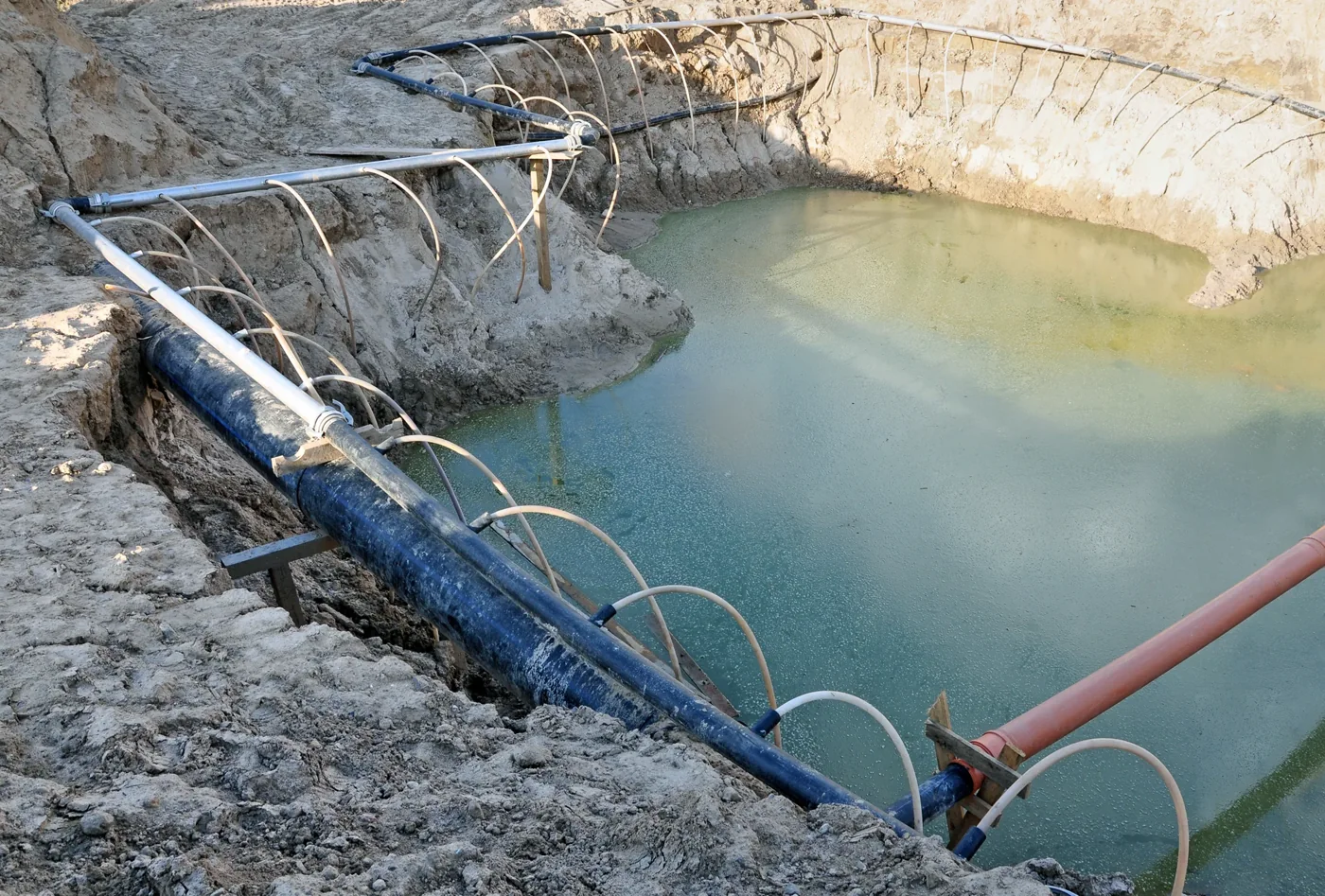
Washwater needs separate attention because it may contain oils, chemicals or suspended solids removed during cleaning. Contaminated washwater must not be discharged into surface water drainage without the required environmental authorisation. Discharge of trade effluent into a public foul sewer requires the sewerage undertaker’s consent or an appropriate trade effluent agreement. Where washwater is collected for off-site treatment, its classification, transport and destination must be recorded.
Checking the ground around former tank installations
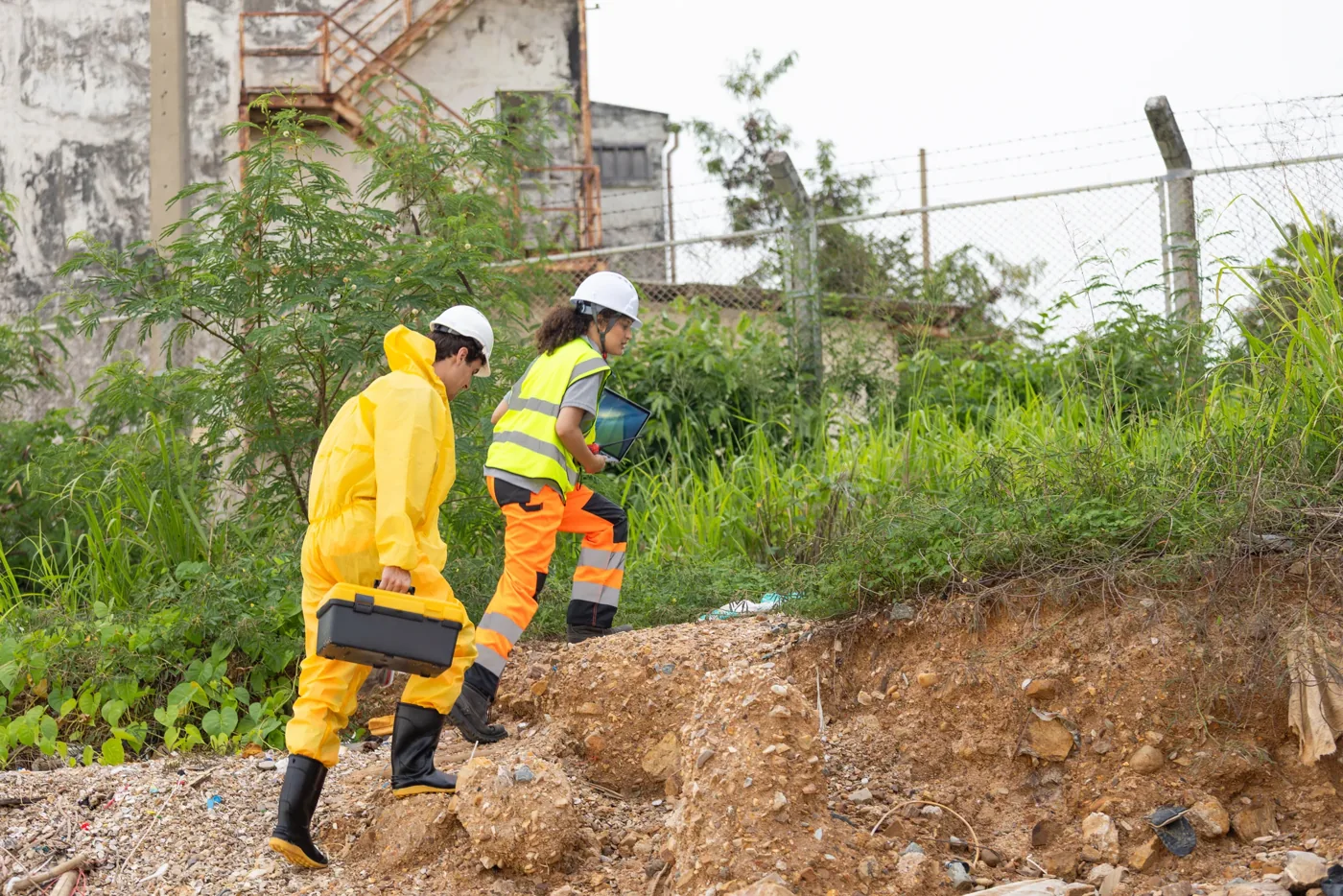
The ground beneath and around a tank deserves attention during an industrial site assessment. Leaks from tank bases, damaged pipe joints and historic spills at fill points can affect soil and, in some circumstances, groundwater. Parts of the ground may be concealed by tank bases or associated structures, although investigation around an existing installation can still be undertaken. Tank history, drainage arrangements and previous incidents help identify areas that warrant closer examination.
Where tanks are removed, the exposed bases and adjoining ground can be examined for signs of previous leaks or spills. Visible staining, unusual odours and damaged surfaces should be recorded with photographs and locations. The Environment Agency’s land contamination risk management guidance provides a staged, risk-based framework for assessing land contamination in England. Historic records, site observations and investigation findings can all inform that assessment.
Tank history can provide important evidence for a contaminated land assessment. Records of stored substances, previous leaks, cleaning activities and conditions observed during removal help the assessor identify potential sources of contamination and decide what further investigation is needed.
Removing a tank or leaving it in place
Whether a tank is removed or retained depends on its condition, location and the intended future use of the site. Removing an above-ground tank can free the area for other uses. Underground tank removal provides access to previously concealed ground, although excavation may be complicated by nearby buildings, buried services or boundaries. Where a tank is retained, appropriate decommissioning measures are needed to address remaining contents and associated hazards. The decision, work undertaken and final condition should be documented.
The reasons for retaining or removing a tank should be available to future owners and their advisers. For retained underground tanks, records should identify their location, former contents and decommissioning measures. Where redevelopment is proposed, this information may also be relevant to land contamination assessments and planning decisions, particularly for residential use.
Where qualifying oil storage remains in use elsewhere on the site, the rules on storing oil at a business remain relevant. In England, these generally apply to business oil storage containers holding 201 litres or more of covered oils.
Including tank work in the site closure plan
Tank decommissioning should be considered alongside other site closure activities rather than treated as an isolated task. The timing of cleaning and removal affects access for contractors, waste collections, demolition and ground investigation. Identifying tanks and their contents while site records and knowledgeable staff are still available can also help resolve uncertainties about older installations.
The records should connect each tank to its former contents, cleaning activities, waste movements and final condition. Where removal exposes previously inaccessible ground, observations and investigation findings should also be documented. Our industrial site decommissioning work brings together tank-related activities and wider site closure requirements, helping owners and property managers establish what has been completed and what remains to be addressed before sale, handover or redevelopment.