UK environmental consultancy and site services

Contaminated Water Disposal

Contaminated water from spills, industrial processes, excavations and cleaning work may need collection and disposal as liquid waste. The correct approach depends on its source, composition and classification, with suitable containment, documentation and an authorised receiving facility.

Contaminated Water Disposal quote

Contaminated water collection and disposal

Contaminated water disposal involves identifying what is in the liquid, establishing its waste classification and arranging collection, treatment or disposal at a suitable authorised facility. Water affected by oil, fuel, chemicals, industrial processes or contaminated ground cannot automatically be handled as ordinary drainage water.

Where the water is being discarded as waste, its composition and source determine how it must be described, transported and managed. A registered waste carrier and a receiving facility authorised to accept the particular waste stream are important parts of the collection arrangements.

Before collection, the receiving facility may need information about the water’s origin, contaminants, volume and any laboratory results. This helps establish whether the facility can accept the load and whether further analysis is needed.

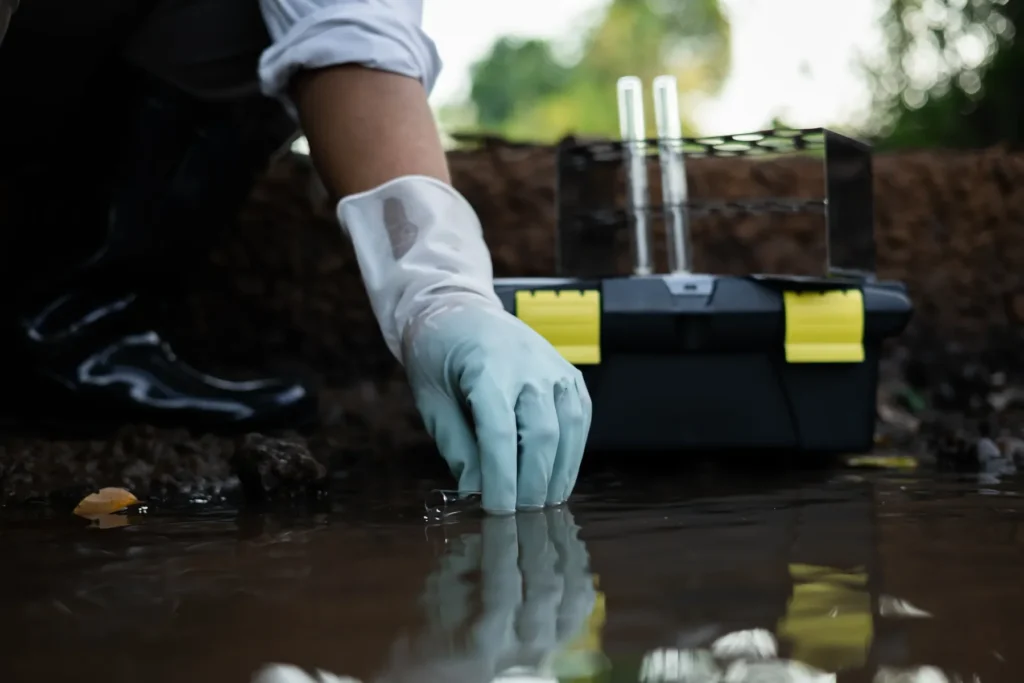
Gloved hand taking a sample from standing water beside a case of test tubes

Classification and sampling

Assess the liquid's source, composition and waste code, with representative sampling and analysis where needed.

Collection and disposal

Arrange suitable containment, a registered waste carrier and a receiving facility authorised for the waste.

Discharge requirements

Discharge to sewers, surface water or ground is subject to the applicable consents, permits and conditions.

Types of contaminated water requiring disposal

Contaminated water can arise during routine operations, maintenance, construction work or following an unexpected incident. Common situations include:

  • Fuel and oil contaminated water, including rainwater collected in bunds or affected by a spill
  • Firewater run-off containing combustion residues, chemicals or materials washed from an affected building
  • Wash bay effluent and liquid waste removed from interceptors and silt traps
  • Water collected in flooded basements, pits, chambers and lift shafts where contamination is suspected
  • Contaminated groundwater pumped from excavations, construction sites or remediation works
  • Tank, vessel and pipework washings produced during cleaning or decommissioning

Each source presents different considerations. Water from a known industrial process may have a relatively consistent composition, while firewater, excavation water and floodwater can contain an unpredictable mixture of substances. That difference affects sampling, storage and the treatment options available.

Waste classification and sampling

Waste classification starts with the process that produced the liquid and the substances it may contain. Existing process information, chemical records and relevant laboratory analysis can help establish the appropriate List of Waste code and hazardous status.

Where the composition is uncertain, representative sampling and appropriate chemical analysis may be required. Sampling should account for the nature of the liquid, including whether oils, suspended solids or settled material are present. A single sample from the surface of a tank may not describe the full contents accurately.

Aqueous liquid wastes containing dangerous substances may fall under hazardous waste code 16 10 01*, depending on their source and composition. Oily water from an interceptor is classified as 13 05 07*, while interceptor sludges and solids have separate hazardous waste codes.

Where a liquid waste stream may be non-hazardous, its classification still needs appropriate supporting information. The non-hazardous waste classification service covers the assessment of waste streams that do not require hazardous classification.

Landfill waste acceptance criteria results are not a substitute for waste classification. Hazardous waste must also be kept separate from incompatible or non-hazardous waste unless mixing is specifically authorised under the applicable regulatory requirements.

Containment before collection

Contaminated water needs suitable containment while its classification and disposal arrangements are established. Depending on the circumstances, this may involve existing tanks, bowsers or other containers suitable for the liquid and the contaminants present.

The available storage capacity, liquid level, access arrangements and potential for further water entering the containment area all need consideration. Rainfall can increase the volume held in open excavations and exposed bunds, while settled material may affect how a tanker can remove the contents.

Different liquid waste streams should remain separate where their composition or classification differs. Mixing them can complicate classification, affect treatment options and create additional handling requirements.

Storage away from the site where the waste was produced may require an appropriate environmental permit or registered exemption. The applicable requirements depend on the storage activity, location and regulatory jurisdiction.

Tanker collection and waste documentation

Tankering is a common method of removing contaminated water from tanks, bunds, pits and other containment areas. Collection arrangements depend on the liquid’s properties, the volume involved, site access and the receiving facility’s acceptance requirements.

Businesses transporting waste must hold the appropriate waste carrier registration. The waste holder should check the carrier’s registration and confirm that the receiving facility is authorised to accept the relevant waste.

In England, hazardous waste movements require a consignment note. The producer or holder completes parts A and B, the carrier completes part C, the consignor completes part D and the receiving facility completes part E. The note accompanies the waste to its destination.

Non-hazardous waste movements generally require a waste transfer note or other legally acceptable transfer documentation. The description should correctly identify the waste and provide sufficient information for its handling and treatment.

Waste descriptions include the classification code, hazardous status where applicable, source premises, production process, relevant substances, chemical and physical characteristics and any particular handling requirements.

Hazardous waste producers in England must retain the relevant consignment records and consignee returns for three years at the premises concerned. Documentation and administrative procedures differ across Scotland, Wales and Northern Ireland, so the requirements applicable to the waste’s location and movement must be followed.

Absorbent containment boom floating across dark water with an oily sheen

Discuss contaminated water collection and disposal

Provide the source of the water, its approximate volume, where it is being held and any sampling results or chemical information available. These details will help assess the waste classification and suitable collection or treatment options.

Treatment and disposal options

The receiving facility and treatment method depend on the contaminants present, the liquid’s physical characteristics and the facility’s permit conditions. Not every liquid waste treatment facility accepts every type of contaminated water.

Oily water may be suitable for oil and water separation, followed by further treatment of the remaining aqueous phase. Water containing dissolved chemicals, metals or process residues may require specialist physical or chemical treatment. More complex mixtures can need additional assessment before a treatment route is confirmed.

The presence of suspended solids, free oil, dissolved contaminants or incompatible chemicals can influence acceptance and treatment requirements. Laboratory results and an accurate waste description help the receiving facility assess these factors.

In some circumstances, treatment at the site where the water arises may be appropriate. This depends on the contamination, available treatment arrangements and whether a lawful discharge or reuse option exists after treatment.

For excavation and remediation projects, dewatering services may form part of the wider water management arrangements. Pumping water from an excavation does not, by itself, establish whether that water can be discharged or must be managed as waste.

Discharge to drains, sewers or watercourses

Contaminated water must not be discharged simply because a drain or watercourse is available nearby. The nature of the discharge and the receiving environment determine which permissions are necessary.

In England, discharging wastewater to surface water or groundwater may require an environmental permit, subject to the relevant regulatory requirements and exemptions. Trade effluent discharged to the public foul sewer requires consent or an agreement with the sewerage undertaker.

Where discharge to the foul sewer is being considered, the trade effluent consent requirements must be addressed before discharge takes place. Any applicable limits and conditions must be met.

Adding clean water to a contaminated waste stream should not be treated as a substitute for appropriate treatment or a means of avoiding waste classification and disposal obligations.

Contaminated water following a spill

Water recovered after a fuel, oil or chemical spill may require disposal as a separate waste stream. The contamination can include dissolved substances, floating product or material suspended in the recovered liquid.

The immediate incident response and subsequent disposal arrangements are related but distinct activities. Emergency spill response addresses containment, recovery and the assessment of potential effects on the surrounding environment.

Once contaminated liquid has been recovered, classification and receiving facility acceptance determine how it can be removed from the site. The condition of any affected soil, drainage system or groundwater may require separate investigation.

Records following collection and disposal

Waste producers should retain the information used to establish the waste classification, together with the relevant transfer or consignment documents and receiving facility records.

Useful records include laboratory reports, waste descriptions, collection documentation, carrier registration details, receiving facility authorisations and consignee returns where required.

These records help establish what was removed, how it was classified and which organisation received it. They can also support subsequent site investigations, environmental assessments and reviews of waste management arrangements.

Official guidance on contaminated water waste

The following GOV.UK guidance provides further information on the classification, movement and disposal of contaminated liquid waste in England:

Contaminated Water Disposal: common questions

How do I dispose of contaminated water?

Identify the source and likely contaminants, establish the waste classification and confirm whether sampling or laboratory analysis is needed. Where the water is being removed as waste, arrange collection through a registered carrier and a facility authorised to accept the waste stream. On-site treatment may be another option where suitable arrangements and discharge permissions are available.

Is contaminated water hazardous waste?

It can be, depending on its source and composition. Aqueous liquid wastes containing dangerous substances may be classified under 16 10 01*, while oily water from an interceptor is classified under 13 05 07*. Water containing only silt or suspended solids may be non-hazardous, but the classification must be supported by appropriate information.

Can contaminated water be treated on site instead?

On-site treatment may be suitable where the contamination is understood, appropriate treatment arrangements are available and the treated water has an authorised discharge or reuse route. The decision depends on the contaminants, site conditions and applicable discharge limits. Tanker removal may be more appropriate where treatment or discharge arrangements are unsuitable.

What about rainwater standing in a bund?

Rainwater in a bund should be assessed for possible contamination from the substances stored or handled nearby. Oil, fuel and chemical residues can affect the water's classification and disposal requirements. Sampling or other supporting evidence may be needed before deciding whether the water can be discharged or requires waste collection.

How is firewater run-off dealt with?

Recovered firewater is contained and assessed for contaminants associated with combustion, firefighting activities and materials present at the incident. Its composition may vary across the affected area. Sampling, suitable storage and waste classification help establish which treatment or disposal facilities can accept the recovered liquid.

What paperwork should I end up with?

Keep the waste classification information, relevant sampling and analysis results, waste transfer or consignment documentation and receiving facility records. Carrier registration and site authorisation details are also useful. In England, hazardous waste producers must retain the required records, including consignment notes and consignee returns, for three years at the relevant premises.

Environmental Services

Services

Request a quote

Menu

Get a quote